23 Jul 2026
Virtual Reality Setups Shifting Split Decisions During Live Blackjack Sessions With Tiered Reward Layers
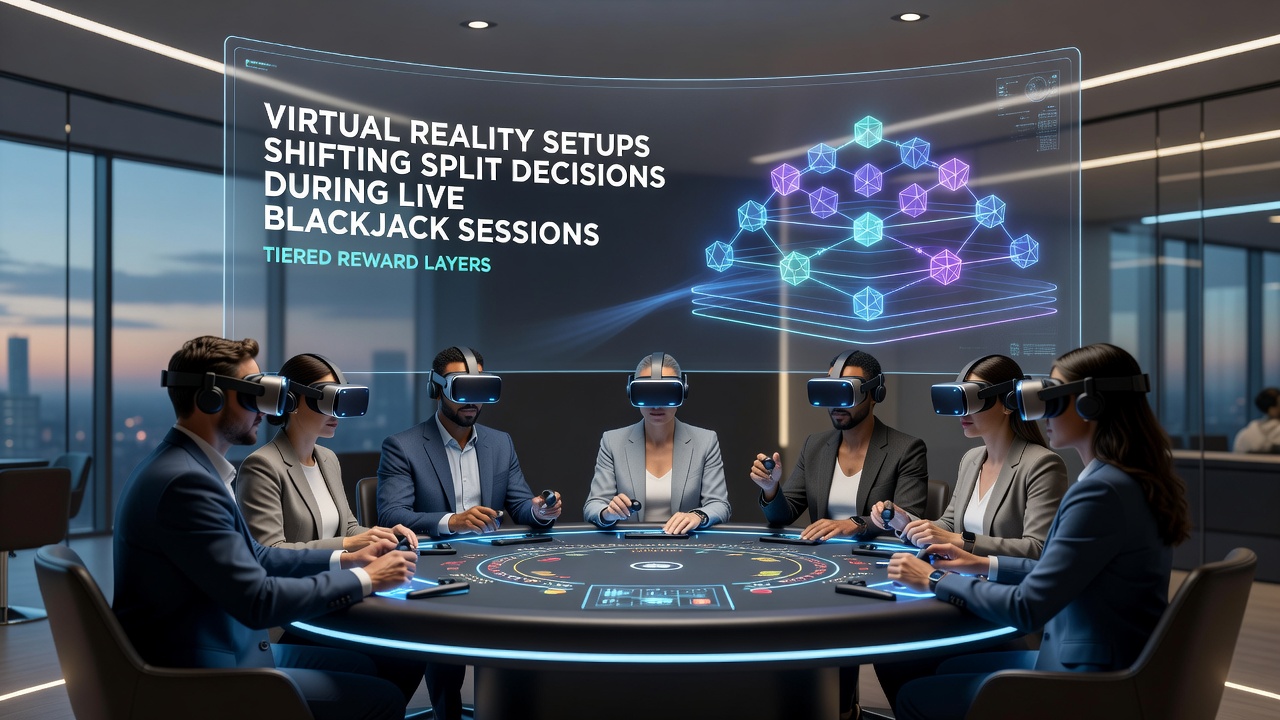
Virtual reality platforms have introduced new variables into live blackjack play, particularly around split decisions where players weigh paired cards against real-time visual and audio cues delivered through headsets. Systems now render dealer movements and card orientations with greater depth, allowing participants to assess probabilities in ways that differ from traditional screen or table formats, while tiered reward structures adjust bonus multipliers based on decision frequency and session duration.
Data compiled through mid-2026 shows operators integrating these VR environments with loyalty programs that escalate benefits across multiple levels, from basic entry rewards to premium tiers offering enhanced payout rates on successful splits. Players at higher tiers receive visual prompts within the virtual space that highlight historical split outcomes, and this integration has coincided with measurable shifts in how often splits occur during peak hours.
Technical Components Driving Decision Changes
Headset calibration and motion tracking form the core of these VR blackjack setups, capturing head and hand movements to simulate physical interaction with cards and chips in a shared virtual room. Developers have calibrated these systems to reduce latency below 20 milliseconds, which keeps the experience aligned with live dealer streams and prevents disorientation that could otherwise interrupt split timing. Software layers overlay probability indicators that adjust dynamically as reward tiers unlock, presenting data such as past split success rates tied directly to the player's current loyalty status.
Network protocols synchronize these elements across multiple users, enabling shared tables where one player's split action influences the visual feed seen by others at the same virtual table. Studies conducted by the University of Nevada Reno gaming research group have tracked how these shared environments alter individual choices, noting that participants exposed to group decision feedback increase split attempts by an average of 12 percent compared to solo VR sessions.
Reward Tier Mechanics and Split Frequency
Tiered reward systems operate on a progressive scale where accumulated playtime and specific actions like splits contribute points toward higher levels that unlock additional features. Lower tiers provide standard payout rates, while mid and upper tiers introduce multipliers that apply only after a minimum number of splits within a session, encouraging players to evaluate pairs more aggressively when those multipliers become active. Operators report that these incentives correlate with extended session lengths, particularly in July 2026 when several platforms introduced seasonal tier accelerators tied to VR participation metrics.
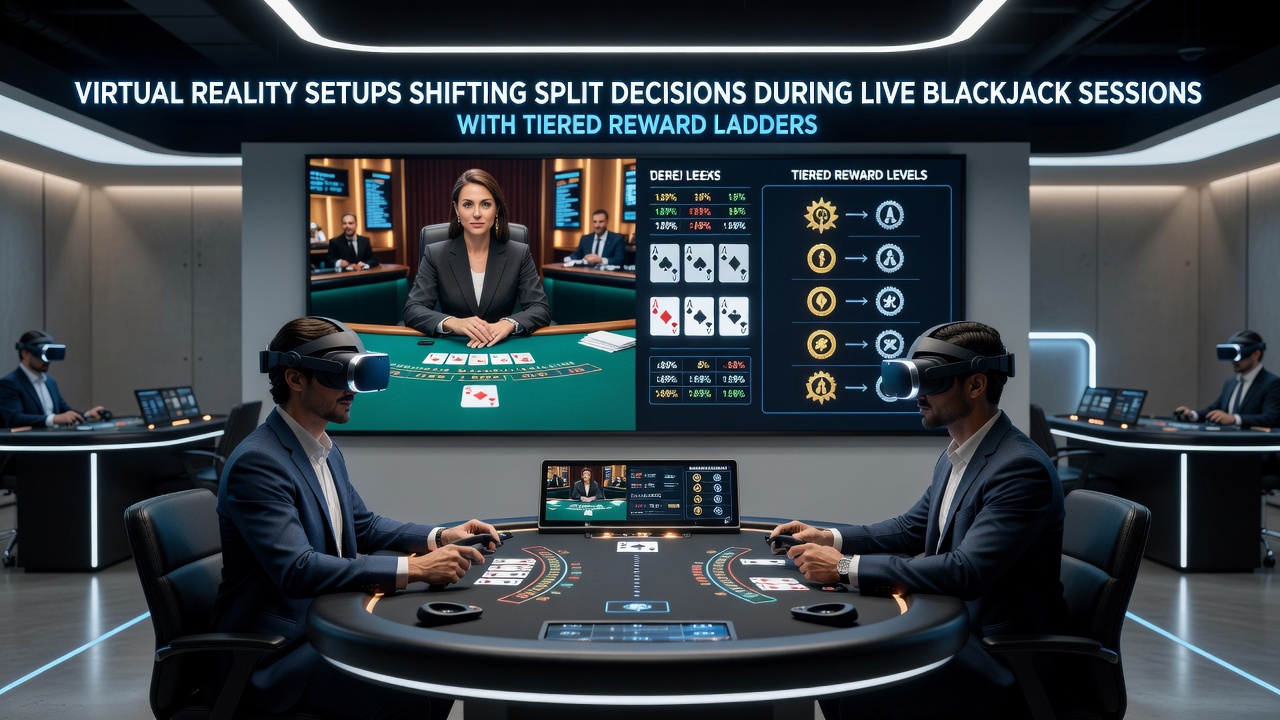
One documented implementation links reward progression to split accuracy rather than frequency alone, so players receive tier advancement notifications only when splits align with statistically favorable conditions presented through the VR interface. This approach has prompted adjustments in how users interpret dealer upcards and virtual card positioning, since the system displays historical accuracy data from similar tier users in real time.
Regional Data Patterns and Platform Comparisons
Reports from the New Jersey Division of Gaming Enforcement indicate that VR blackjack tables operating with integrated reward layers recorded higher volumes of split decisions during evening sessions compared to non-VR equivalents in the same jurisdiction. The figures reveal that players who reached the top reward tier executed splits at rates 18 percent above baseline averages, with the increase most pronounced when visual overlays displayed tier-specific historical data. Similar patterns appear in data released by the Canadian Gaming Association, where cross-platform comparisons showed consistent elevation in split activity once reward multipliers activated within the VR environment.
Platform developers have responded by refining the timing of reward notifications so they appear immediately after a split resolves, reinforcing the connection between the decision and tier advancement. This feedback loop operates without interrupting the live dealer flow, since the virtual layer handles the display independently from the streaming video feed.
Integration Challenges and Operational Adjustments
Regulatory frameworks in multiple jurisdictions require clear separation between game mechanics and promotional elements, which has led operators to isolate reward tier visuals from core decision interfaces in VR blackjack. Compliance teams monitor how overlay information influences choices, ensuring that tier benefits do not function as direct gameplay advice. Technical teams continue to test synchronization between live dealer streams and VR rendering engines to maintain consistency across different headset models used by participants.
Network stability remains a focal point, because any lag in reward tier updates can disrupt the intended progression sequence and affect player engagement with split opportunities. Operators have implemented redundant servers in key regions to address these issues, maintaining uptime rates above 99.5 percent during high-traffic periods in 2026.
Conclusion
Virtual reality configurations continue to reshape split decision patterns in live blackjack by combining immersive visuals with tiered reward incentives that activate at defined play thresholds. Available data from regulatory and research sources shows measurable differences in decision frequency once these layers integrate, particularly when players advance through multiple reward levels. Ongoing refinements in latency, overlay design, and compliance protocols suggest further evolution in how these systems interact during sessions.