27 Aug 2026
Synchronizing Audio Cue Timing in Digital Reel Sequences with Bonus Trigger Thresholds Across Varied Transaction Networks
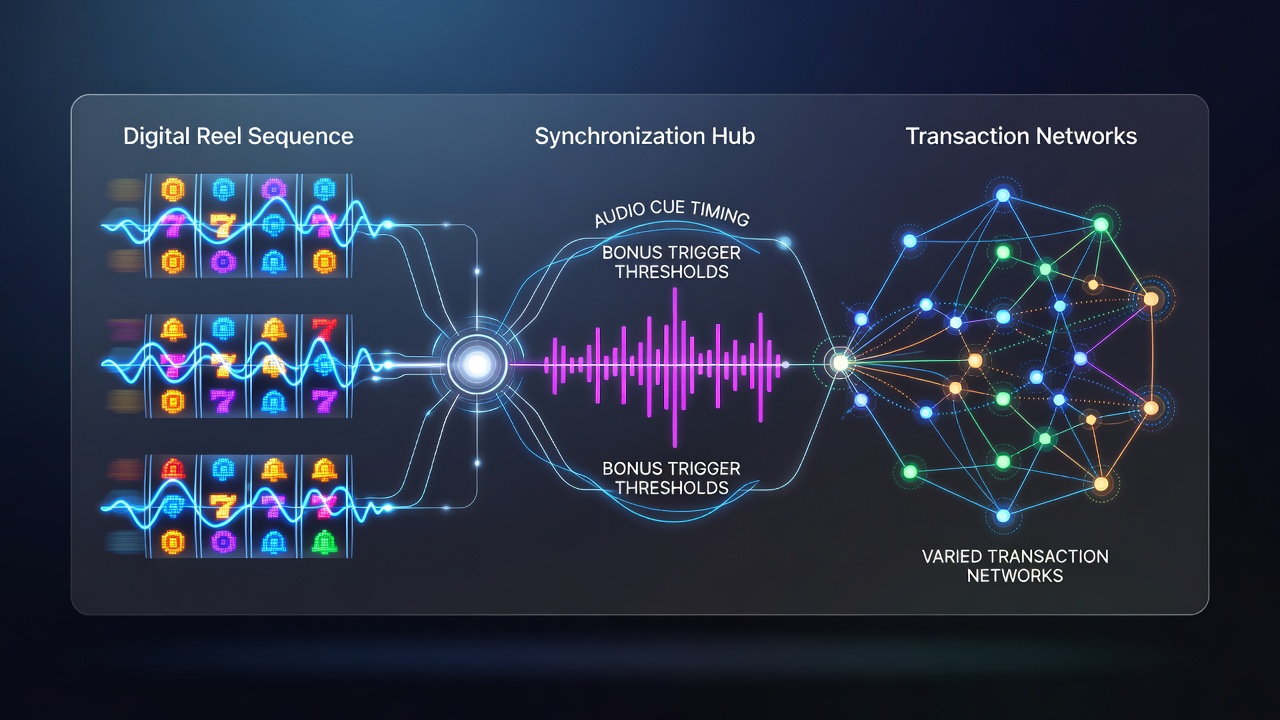
Digital reel systems in online gaming environments coordinate audio cues with precise reel stop positions and bonus activation points, and operators manage these timings across payment networks that introduce variable processing delays from credit card authorizations to cryptocurrency confirmations. Research indicates that audio triggers activate within milliseconds of symbol alignments, yet transaction network latencies can shift the perceived timing by 200 to 800 milliseconds depending on the method in use. Observers note that systems adjust cue offsets dynamically to maintain synchronization even when settlement flows differ in speed and confirmation stages.
Core Mechanics of Audio and Reel Coordination
Reel sequences operate on frame-based rendering cycles that align with server-side random number generation calls, and audio files load into memory buffers ahead of potential trigger points so that sound playback begins exactly when a bonus threshold such as three scatter symbols lands. Data from platform audits shows that threshold calculations occur server-side before any client-side animation starts, which prevents desync when network conditions fluctuate. Those who manage reel engines implement predictive preloading that accounts for average round-trip times across each supported transaction type, and this approach keeps audio events locked to visual outcomes regardless of whether a player funded the session through instant e-wallet transfers or slower blockchain settlements.
Impact of Transaction Network Variability
Varied transaction networks introduce distinct latency profiles that affect how quickly bonus meters update and how audio cues respond to those updates. Credit card rails typically clear authorization in under two seconds while certain cryptocurrency networks require multiple confirmations that extend to thirty seconds or more. According to reports published by the Nevada Gaming Control Board, operators must log these timing variances and demonstrate that audio-reel sync remains within tolerance limits during peak load periods. Systems compensate by buffering reel outcomes locally and releasing audio at calculated offsets, so a delayed settlement does not push sound playback out of alignment with the displayed symbols.
One study revealed that platforms handling multi-currency sessions apply separate timing profiles for each network, and these profiles recalibrate every few minutes based on live latency sampling. When a high-volatility reel hits a bonus threshold during a crypto-funded round, the engine inserts a short silent gap in the audio track to absorb confirmation delays before the celebratory cue plays. This method keeps the experience consistent even though the underlying settlement speeds differ substantially.
Threshold Management and Audio Layering
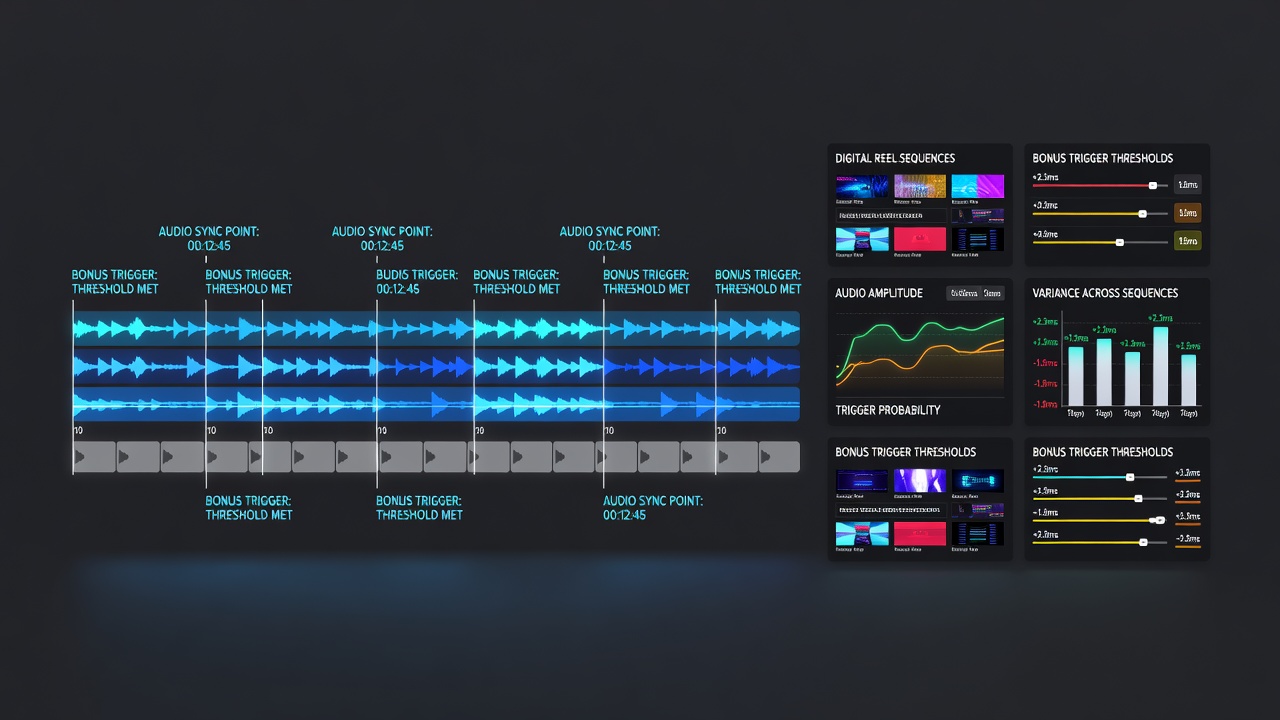
Bonus trigger thresholds sit at fixed symbol counts or meter values, and audio layers stack additional sound elements once those thresholds cross. Progressive jackpot reels add extra layers that activate only after specific contribution amounts register, and synchronization routines verify that each layer loads before the reel animation completes its final spin. Figures from industry testing labs indicate that layered audio tracks consume measurable bandwidth, so operators prioritize cue compression techniques that preserve timing accuracy without increasing overall payload size across slower networks.
People who monitor live operations report that August 2026 data collections showed measurable improvements in sync stability after several major platforms adopted adaptive buffering algorithms. These algorithms sample transaction confirmation times in real time and shift audio start points accordingly, which reduces audible drift during sessions that switch between funding methods mid-play. The approach relies on precomputed tables that map each network's typical latency range to corresponding audio offset values, and updates to those tables occur weekly based on aggregated session logs.
Implementation Across Regulatory Jurisdictions
Regulatory frameworks in multiple regions require documented evidence that audio and visual events remain synchronized under all supported transaction conditions. The Alcohol and Gaming Commission of Ontario publishes technical standards that specify maximum allowable desync intervals for reel-based games, and operators submit test results covering credit, e-wallet, and crypto pathways. Similar expectations appear in documentation from the Australian Communications and Media Authority, where emphasis falls on maintaining cue integrity when cross-border transfers introduce additional routing delays. Compliance teams therefore maintain separate test suites for each jurisdiction and each payment rail, confirming that bonus audio activates within the same frame window regardless of settlement speed.
Engineers integrate these requirements through modular timing controllers that accept network type as an input parameter, and the controllers output adjusted cue schedules on every spin. This architecture allows a single reel library to serve sessions funded through fast and slow networks without requiring separate audio assets for each case.
Conclusion
Synchronization of audio cues with reel sequences and bonus thresholds depends on real-time compensation for the distinct latencies introduced by varied transaction networks. Operators achieve consistent playback by preloading assets, applying offset tables, and recalibrating buffers according to live network performance data. Regulatory bodies across North America and Australia require documented proof that these adjustments keep events aligned within defined tolerances, and current implementations demonstrate that such alignment holds across credit, e-wallet, and cryptocurrency settlement flows.