19 Jul 2026
Smartphone Alert Preferences Reshaping Blackjack Split Choices Amid Layered Incentive Programs
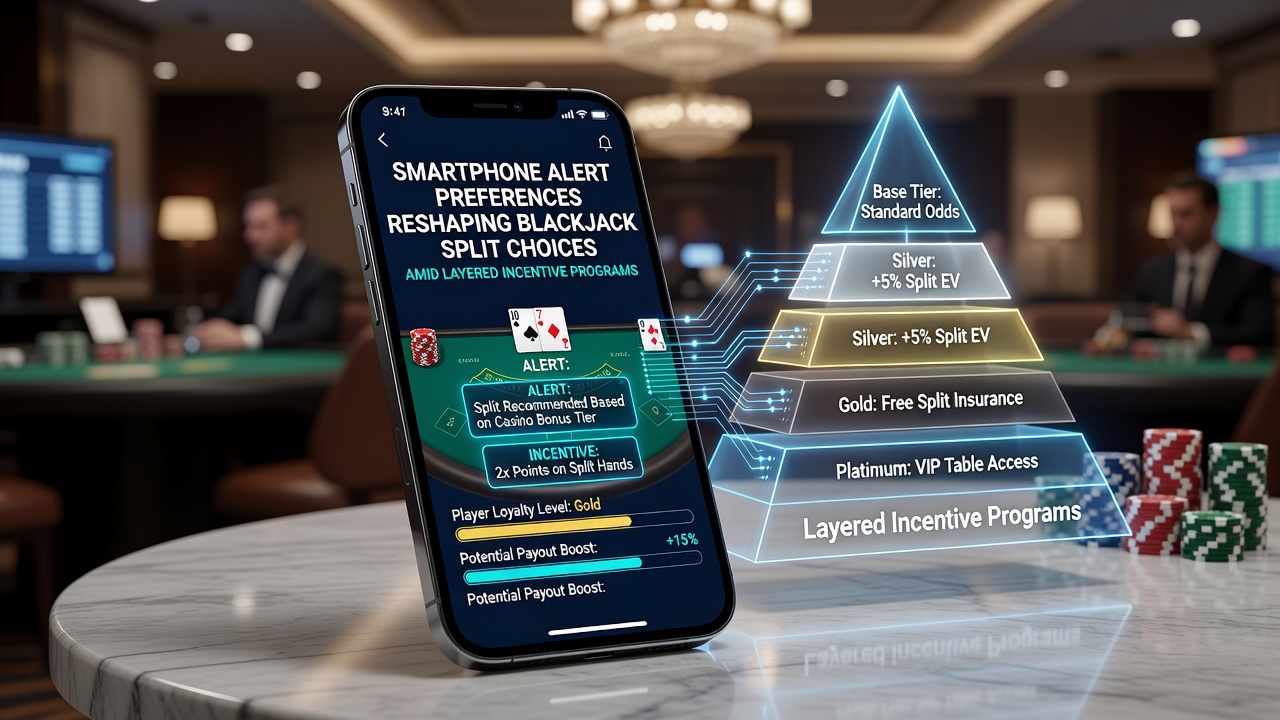
Smartphone alert preferences have begun altering how players approach split decisions in blackjack games, especially when layered incentive programs deliver real-time notifications about bonus credits, loyalty points, and time-sensitive promotions. Data collected from mobile gaming platforms shows that users who customize push notifications for reward updates tend to pause longer during pair situations, weighing whether an incoming alert might change the value of splitting tens or aces under certain incentive tiers.
Mobile Notification Settings and Decision Timing
Players configure their devices to receive alerts for deposit matches, cashback offers, and tier progression milestones while they sit at virtual or live blackjack tables, and this customization directly affects the seconds they spend evaluating a split. Research from industry tracking services indicates that those who keep reward alerts active on their phones record higher rates of splitting pairs when a notification about an expiring promotional credit arrives mid-hand, whereas users who mute such messages maintain more consistent adherence to basic strategy charts without external interruptions.
July 2026 figures released by several North American operators reveal a measurable uptick in split frequency among mobile users who have enabled layered program notifications compared with those using default settings. The pattern emerges because alerts often highlight additional value that only applies if the player completes the hand in a specific way, prompting quick reassessment of whether splitting becomes the higher-expected-value choice once the bonus layer is factored in.
Layered Incentive Structures and Blackjack Mechanics
Layered incentive programs typically stack welcome bonuses, ongoing loyalty multipliers, and daily mission rewards on top of standard game payouts, and smartphone alerts serve as the delivery mechanism that keeps players informed without leaving the table interface. When a notification announces that a split will unlock an extra point multiplier, the decision matrix shifts for many users who previously followed rigid charts that ignored promotional overlays. Operators report that these programs now integrate directly with mobile gaming apps, allowing the system to detect when a player faces a pair and then surface a relevant incentive alert within the same screen view.
Observers note that the timing of these alerts matters because blackjack split choices occur within a narrow decision window, and notifications arriving at that exact moment can tip the balance toward splitting even when the base game odds suggest otherwise. Studies compiled by academic researchers at institutions focused on behavioral economics have documented similar effects in other decision-heavy games where external prompts intersect with real-time strategy choices.
Regional Data Patterns Emerging in Mid-2026
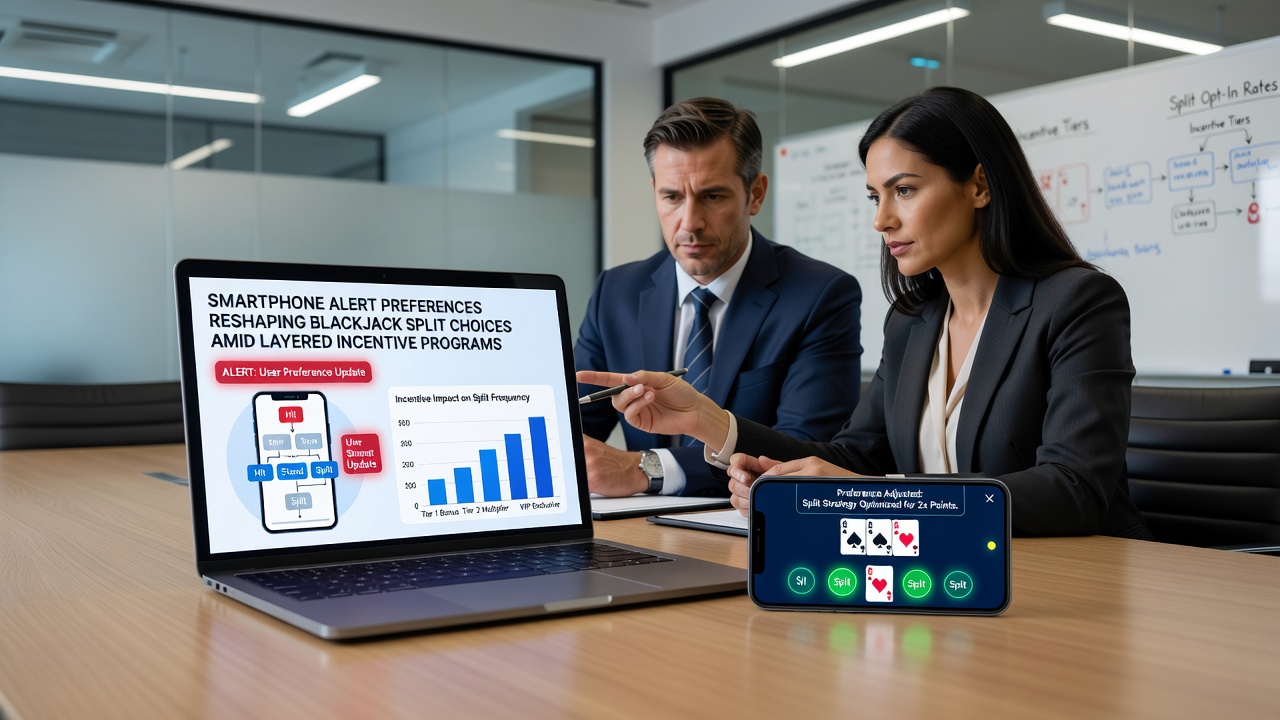
Reports issued by the Nevada Gaming Control Board and comparable bodies in other jurisdictions document rising mobile blackjack volumes alongside increased customization of alert preferences, and the two trends appear correlated in player behavior logs. In markets where operators run extensive layered programs, the percentage of hands ending in splits has climbed steadily since the start of 2026, with the steepest gains among users who receive frequent reward notifications. Canadian regulatory summaries echo these findings, showing that players who link their accounts to mobile wallets and enable promotional alerts exhibit different split patterns than desktop-only participants who receive fewer interruptions.
What's interesting is how these changes concentrate around specific pair types, such as eights or nines, where basic strategy already recommends splitting in many situations, yet the addition of an alert about bonus redemption can accelerate or delay the click. Industry analysts tracking app telemetry note that muted-alert users stick closer to traditional recommendations while active-alert users experiment more when the notification promises extra value layered onto the outcome.
Operator Adjustments and Platform Responses
Developers have responded by building conditional alert logic that respects player-set preferences while still surfacing incentives at decision points, and this engineering choice further embeds smartphone settings into the flow of blackjack play. Some platforms now offer granular controls that let users receive only alerts tied to the current game type, reducing noise yet preserving the influence on split timing. Data shared by the American Gaming Association highlights that operators investing in these integrations see longer session durations because players remain engaged with both the game and the evolving reward layers.
Those studying player retention observe that the combination of customizable alerts and layered incentives creates feedback loops where split decisions become part of a larger optimization process that includes points, levels, and cashback calculations. The result appears in aggregated logs as increased variance in hand outcomes for mobile cohorts compared with earlier periods before widespread notification adoption.
Conclusion
Smartphone alert preferences continue to intersect with blackjack split mechanics inside layered incentive environments, and available data from multiple regulatory and industry sources points to measurable shifts in player behavior through 2026. As platforms refine notification delivery and programs grow more intricate, the relationship between device settings and in-game choices will likely remain a focal point for tracking how external prompts shape strategy execution at the tables.