26 Jul 2026
Prediction Market Platforms Boost Federal Lobbying Amid Congressional Scrutiny
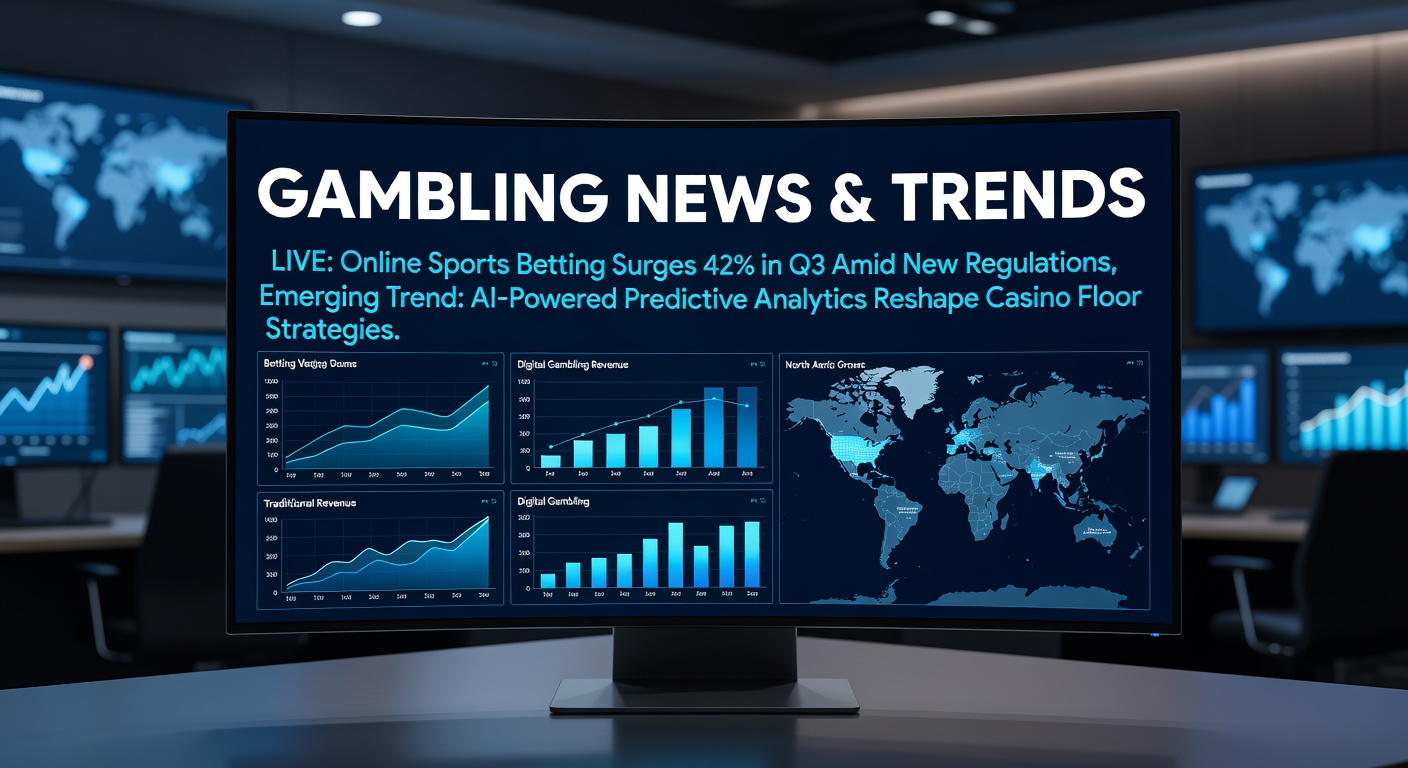 Kalshi and Polymarket have increased their federal lobbying expenditures during the first half of 2026 while facing growing attention from Congress and regulators over the structure of prediction markets. Kalshi reported direct spending of $990,000 and nearly $1.8 million when outside firms were included, an amount that already exceeded the platform's entire 2025 total. Polymarket participated in similar efforts though its specific figures were not detailed separately in the disclosures. These outlays occurred as lawmakers examined issues including potential insider trading risks and the degree to which prediction contracts overlap with regulated sports betting activities. The American Gaming Association, which represents traditional casino operators, reported $1.39 million in direct lobbying outlays for the same period. When payments to outside firms were added, the total approached $1.8 million, reflecting a 30 percent rise compared with the first half of the previous year. Industry observers note that these figures come from standard quarterly and semi-annual filings submitted to Senate and House lobbying databases.
Context of Heightened Regulatory Attention
Congressional committees and federal agencies have conducted additional reviews of prediction market platforms since early 2026. Lawmakers have requested information on how contracts tied to real-world events are structured, settled, and monitored for compliance. The overlap between certain prediction contracts and sports outcomes has drawn particular focus because several states maintain separate licensing regimes for sports betting that do not automatically extend to event contracts offered on prediction platforms.
Regulators have also examined whether existing rules on insider trading apply when participants possess material non-public information about events covered by prediction contracts. Industry filings indicate that both Kalshi and Polymarket have retained additional counsel and government relations specialists to address these questions in direct communications with members of Congress and agency staff.
Comparison of Spending Patterns
Direct spending by Kalshi reached $990,000 in the first six months of 2026. Inclusion of amounts paid to outside lobbying firms brought the platform's total near $1.8 million. This sum surpassed the full-year amount Kalshi reported for 2025. The American Gaming Association's direct expenditure of $1.39 million represented a measurable increase from the same six-month period in 2025, with the combined total again approaching $1.8 million after outside firm costs were added.
Both sides have directed resources toward committees with jurisdiction over financial markets, commodities, and consumer protection. The timing aligns with ongoing discussions about whether prediction contracts should fall under existing commodity regulations or receive separate treatment under gaming statutes.
Issues Under Review
Legislative staff have circulated draft questions concerning market surveillance, participant verification, and the handling of contracts that reference sports results. Documents submitted in connection with these inquiries describe how platforms maintain order books, enforce position limits, and respond to potential manipulation. The American Gaming Association has presented data on state-level licensing requirements that currently govern sports wagering, highlighting differences in tax treatment and consumer protections compared with prediction market operations.
Filings show that lobbying teams have met with offices in both chambers to explain operational distinctions between event contracts and traditional wagers. Discussions have covered the Commodity Futures Trading Commission's existing oversight role as well as any additional authority that might be considered by Congress.
Conclusion
Public records document increased federal lobbying activity by Kalshi, Polymarket, and the American Gaming Association during the first half of 2026. The reported expenditures coincide with congressional and regulatory examination of prediction market practices, including insider trading safeguards and the relationship between event contracts and sports betting. Additional disclosures are expected in subsequent quarterly filings as the legislative calendar advances.