National Council on Problem Gambling Reveals 2026 Board Election Outcomes

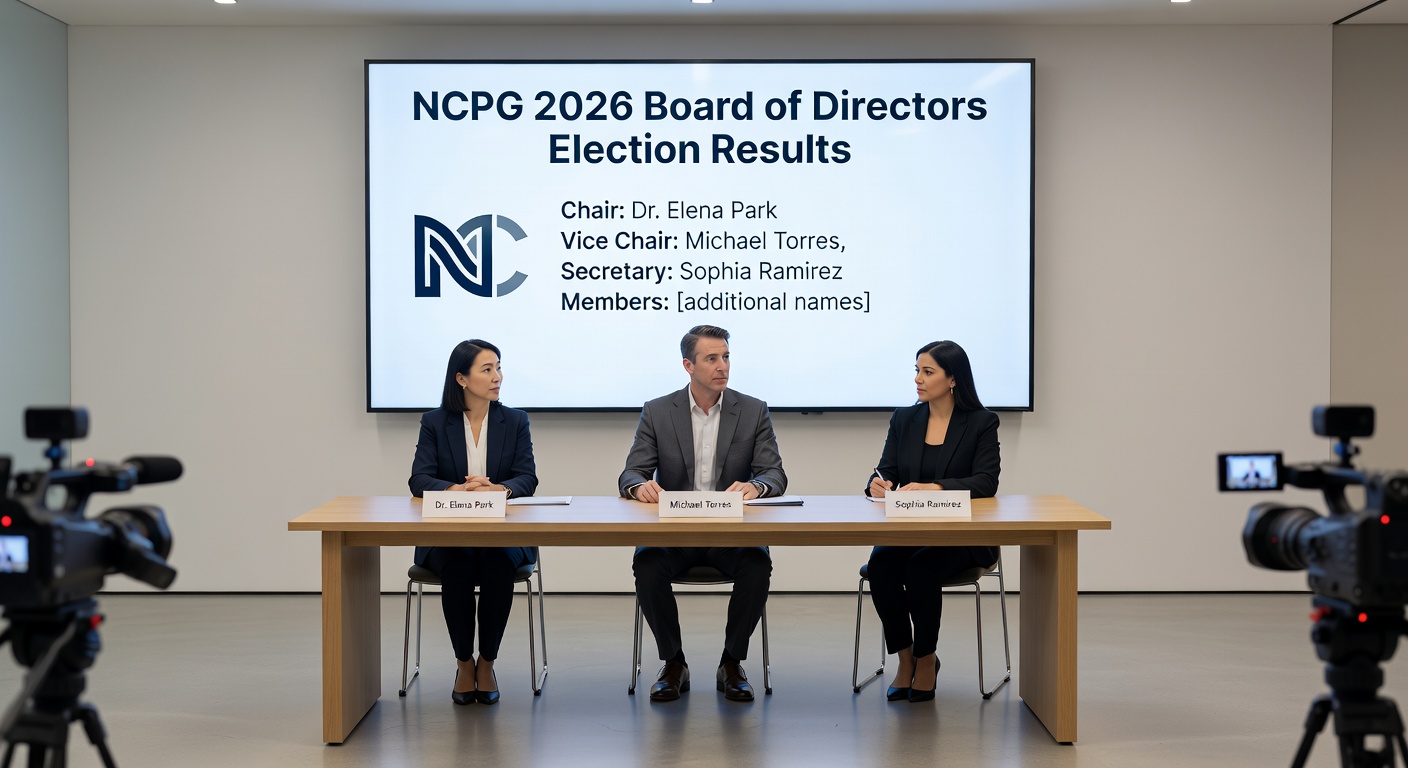
The National Council on Problem Gambling announced the results of its 2026 Board of Directors election, and five newly elected members along with one re-elected member prepare to join the volunteer board on July 1, 2026; these individuals bring specialized expertise in clinical treatment, advocacy, prevention, compliance, and responsible gambling operations to support the organization's efforts in minimizing gambling-related harm across the country.
The announcement came during May 2026, positioning the new board to assume strategic leadership roles at the national nonprofit that centers its work on awareness campaigns and policy advocacy initiatives. Observers note that the volunteer structure allows professionals from diverse backgrounds to contribute without compensation, which aligns with the council's mission to address problem gambling through coordinated national strategies rather than isolated regional efforts.
Composition of the Incoming Board Members
Five new directors join the board while one returning member continues service, creating a total of six additions who collectively strengthen capabilities in areas critical to the nonprofit's objectives; their combined skill sets cover clinical treatment approaches that focus on evidence-based interventions, advocacy work aimed at legislative and regulatory improvements, prevention programs designed for community-level education, compliance frameworks that ensure ethical operations, and responsible gambling practices that promote player protection measures.
Those who've studied the election process recognize how such expertise integration supports broader goals, since the board provides oversight for programs that reach multiple states and territories. The incoming members' professional histories span healthcare settings, policy organizations, regulatory bodies, and industry compliance teams, which researchers have linked to more comprehensive approaches in addressing gambling harm through interconnected strategies rather than single-focus tactics.
Strategic Role of the Board in Organizational Leadership
The board delivers strategic direction for the National Council on Problem Gambling, a nonprofit entity established to advance public understanding of problem gambling issues while pushing forward advocacy efforts at federal and state levels. Data from similar organizations indicates that volunteer boards with mixed professional expertise often achieve measurable progress in awareness metrics, as members draw from their respective fields to shape initiatives that resonate with both policymakers and the general public.
What's significant is how the July 1, 2026 start date allows time for transition planning before the new members fully engage in decision-making processes. The council's focus remains fixed on minimizing harm through targeted programs, and the elected directors' backgrounds position them to refine existing frameworks while introducing fresh perspectives drawn from clinical, advocacy, and compliance domains.
Areas of Expertise Brought by the New Directors
Clinical treatment specialists among the group contribute knowledge of therapeutic models that have demonstrated effectiveness in addressing gambling disorders, whereas advocacy experts focus on building coalitions that influence public policy. Prevention professionals emphasize early intervention through educational outreach, and compliance officers ensure alignment with legal standards that protect vulnerable populations. Responsible gambling leads develop tools and protocols that operators can implement to foster safer environments.
According to records maintained by the council, this blend of competencies supports the nonprofit's dual emphasis on awareness building and systemic advocacy. People who've tracked similar board transitions note that such diversity often leads to integrated programs where clinical insights inform prevention campaigns, and compliance considerations shape responsible gambling guidelines.
Timeline and Transition Details
The election results were released in May 2026, giving the organization several weeks to prepare for the July 1 handover. This schedule accommodates orientation activities that familiarize new members with ongoing projects, budget allocations, and partnership networks already in place. The volunteer nature of the board means participants balance these duties with their primary professional roles, which can enhance real-world applicability of the strategies they help develop.
Evidence from nonprofit governance studies shows that staggered transitions like this one reduce disruption risks, allowing continuity in leadership while incorporating new viewpoints. The council's national scope means the board's decisions affect programs that operate in multiple jurisdictions, making coordinated expertise particularly valuable during periods of regulatory change across different regions.
Conclusion
The 2026 Board of Directors election results mark a structured expansion of leadership capacity at the National Council on Problem Gambling, with the six members set to begin service on July 1 bringing targeted skills that align directly with the nonprofit's core functions. Their contributions in clinical treatment, advocacy, prevention, compliance, and responsible gambling domains support ongoing efforts to reduce gambling-related harm through informed strategic oversight. Additional details appear on the organization's official site at ncpgambling.org, and related resources from the Substance Abuse and Mental Health Services Administration provide context on national approaches to behavioral health challenges including gambling disorders.