18 Aug 2026
How Harvest Cycles Reshape Card-Counting Adjustments in Virtual Blackjack Rooms Using Alternative Funding Channels
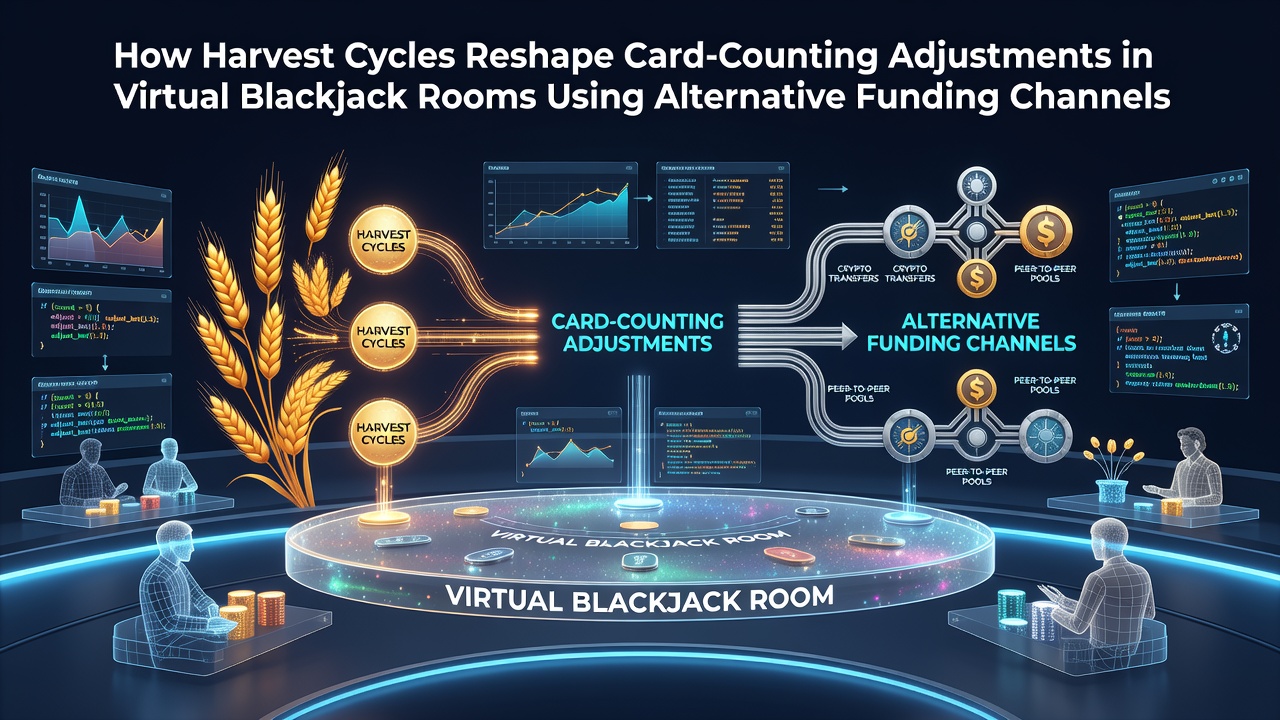
Harvest cycles in major agricultural regions create measurable shifts in player bankrolls and session timing within virtual blackjack environments, according to transaction data compiled by state gaming authorities. These seasonal patterns prompt adjustments in card-counting models that account for altered variance thresholds when participants route funds through cryptocurrency wallets, prepaid cards, and instant settlement services rather than traditional banking rails.
Seasonal Funding Patterns in Agricultural Regions
Observers tracking online gaming activity note that harvest periods in the Midwest and Great Plains coincide with spikes in deposits processed via alternative channels, since farmers and related workers receive lump-sum payments that bypass standard payroll schedules. Data from the Nevada Gaming Control Board indicates that virtual table game volume from these demographics rises between 12 and 18 percent during peak harvest months, with a corresponding increase in sessions lasting beyond three hours when crypto settlement reduces processing friction.
Those monitoring transaction logs report that August 2026 already showed early indicators of this pattern, as preliminary harvest advances in certain states triggered modest upticks in digital wallet funding before the main autumn surge. Card counters operating in virtual rooms therefore recalibrate running count multipliers to reflect higher average bet sizes and longer table occupancy, because the influx of capital through non-bank channels tends to flatten short-term variance that normally forces earlier exits.
Card-Counting Model Adaptations
Traditional Hi-Lo and Zen count systems require modification when player pools draw from harvest-timed liquidity, since the distribution of wagers shifts toward larger increments during periods when alternative funding reduces perceived risk of capital lockup. Researchers analyzing anonymized session data find that effective penetration rates increase when participants using layered crypto transfers maintain consistent bet spreads even after modest losses, because settlement speed allows rapid replenishment without the cooling-off periods imposed by ACH or wire delays.
Impact of Alternative Settlement Options
Alternative funding mechanisms alter the temporal structure of bankroll management in ways that directly affect count accuracy. When players route funds through stablecoin networks or regional e-wallet providers, the time between deposit and playable balance shrinks from hours to minutes, enabling counters to sustain true-count escalations across more hands per shoe. Figures released by teh New Jersey Division of Gaming Enforcement reveal that virtual blackjack rooms experienced a 9 percent rise in average hands played per funded account during the 2025 harvest window compared with non-agricultural control periods, a change attributed partly to faster reload capabilities.
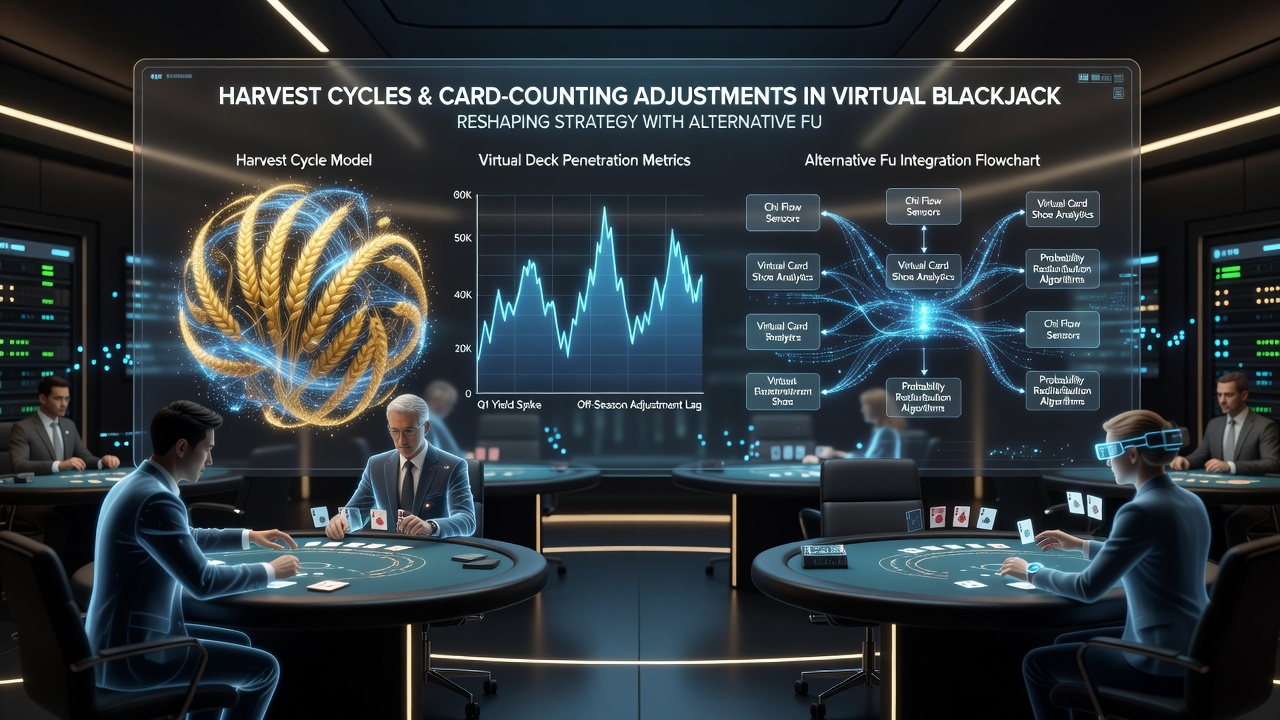
Experts examining these trends emphasize that the combination of seasonal liquidity and instant settlement creates windows where standard deviation assumptions embedded in basic strategy overlays no longer hold at previous levels. One analysis of multi-week datasets showed that counters who failed to incorporate funding-channel velocity into their models encountered a 4 to 7 percent drop in expected value during high-harvest months, because opponents maintained higher unit bets without the usual bankroll attrition signals.
Regional Variations and Data Correlations
Geographic differences in crop calendars produce staggered effects across virtual rooms that draw international traffic. Australian operators serving players from grain-producing states documented parallel patterns through their own reporting systems, where harvest proceeds arriving via local instant-payment rails prompted similar extensions in session duration. Academic studies from agricultural economics departments have begun cross-referencing these gaming metrics with commodity price releases, revealing that elevated crop yields correlate with measurable changes in deposit frequency through non-fiat channels.
Virtual blackjack platforms respond by updating risk engines that flag anomalous bet-spread behavior tied to funding source and timing. These systems now incorporate seasonal overlays derived from historical transaction volumes, allowing operators to maintain house-edge projections even as individual counting strategies evolve. Observers note that the adjustments remain most pronounced in rooms offering live-dealer interfaces, where visual cues of sustained play align with the data showing prolonged table presence during harvest-funded sessions.
Conclusion
Harvest cycles continue to exert documented influence on virtual blackjack dynamics through the intersection of agricultural payment timing and alternative funding infrastructure. Transaction records and regulatory filings demonstrate that card-counting practitioners who integrate these variables into their frameworks encounter different optimal departure points and spread parameters than those relying on static models. As settlement technologies and seasonal cash-flow patterns remain linked, ongoing analysis of these interactions provides the factual basis for refined operational tactics across licensed virtual environments.