How Cryptocurrency Settlement Delays Shape Bankroll Allocation Tactics During Multi-Table Poker Tournaments Featuring Layered Bonus Structures

Players in multi-table poker tournaments often face timing pressures when cryptocurrency transfers lag behind schedule, forcing adjustments in how they reserve funds for entries, rebuys, and add-ons while tracking layered bonus tiers that reward consistent participation across events. Data from blockchain analytics firms shows average Bitcoin confirmation times stretching beyond 30 minutes during peak network congestion periods in early 2026, which directly influences when participants can access settled balances for tournament buy-ins.
Network Congestion and Transaction Timing Patterns
Settlement delays occur most frequently on networks like Ethereum and Bitcoin when transaction volumes spike, and observers note that these pauses compel tournament participants to pre-allocate portions of their bankrolls into faster-settling stablecoins or exchange accounts ahead of scheduled starts. Research from payment processing reports indicates that Litecoin and Solana transfers typically clear in under two minutes during the same windows when major cryptocurrencies experience backlogs, giving players who diversify their holdings an edge in maintaining liquidity without missing registration deadlines.
Those who monitor mempool activity closely often shift allocations toward assets with predictable throughput rates, since layered bonus structures in many online platforms accumulate points only after confirmed deposits hit player accounts. Tournament directors at several major sites reported in May 2026 that approximately 18 percent of delayed entries stemmed from pending crypto settlements rather than player hesitation.
Bankroll Segmentation Strategies in Practice
Participants break their available capital into segments that account for both immediate entry needs and the buffer required while awaiting settlement confirmations, creating separate reserves for primary buy-ins versus potential late-registration opportunities that arise in extended tournament fields. One documented approach involves maintaining 40 percent of a tournament bankroll in instant-access fiat rails while routing the remainder through crypto channels that offer bonus multipliers upon settlement.
Layered bonus programs add another layer because rewards often unlock at cumulative volume thresholds that reset monthly, and any settlement delay pushes players closer to missing qualification windows for higher-tier payouts. Figures from industry tracking services reveal that players who experienced repeated three-hour confirmation waits reduced their average number of concurrent tables by 25 percent to preserve mental bandwidth for monitoring incoming transfers.
Adjustments During Peak Tournament Schedules
Multi-table formats amplify these effects because simultaneous events require staggered buy-ins that cannot wait for delayed funds to arrive, prompting many competitors to front-load deposits at the start of each week rather than reacting to individual tournament calendars. Data compiled by regional gaming associations in North America and Australia shows increased use of batch funding methods in the weeks leading into May 2026 festival series, where participants transferred larger crypto amounts once per cycle to minimize repeated exposure to variable network speeds.
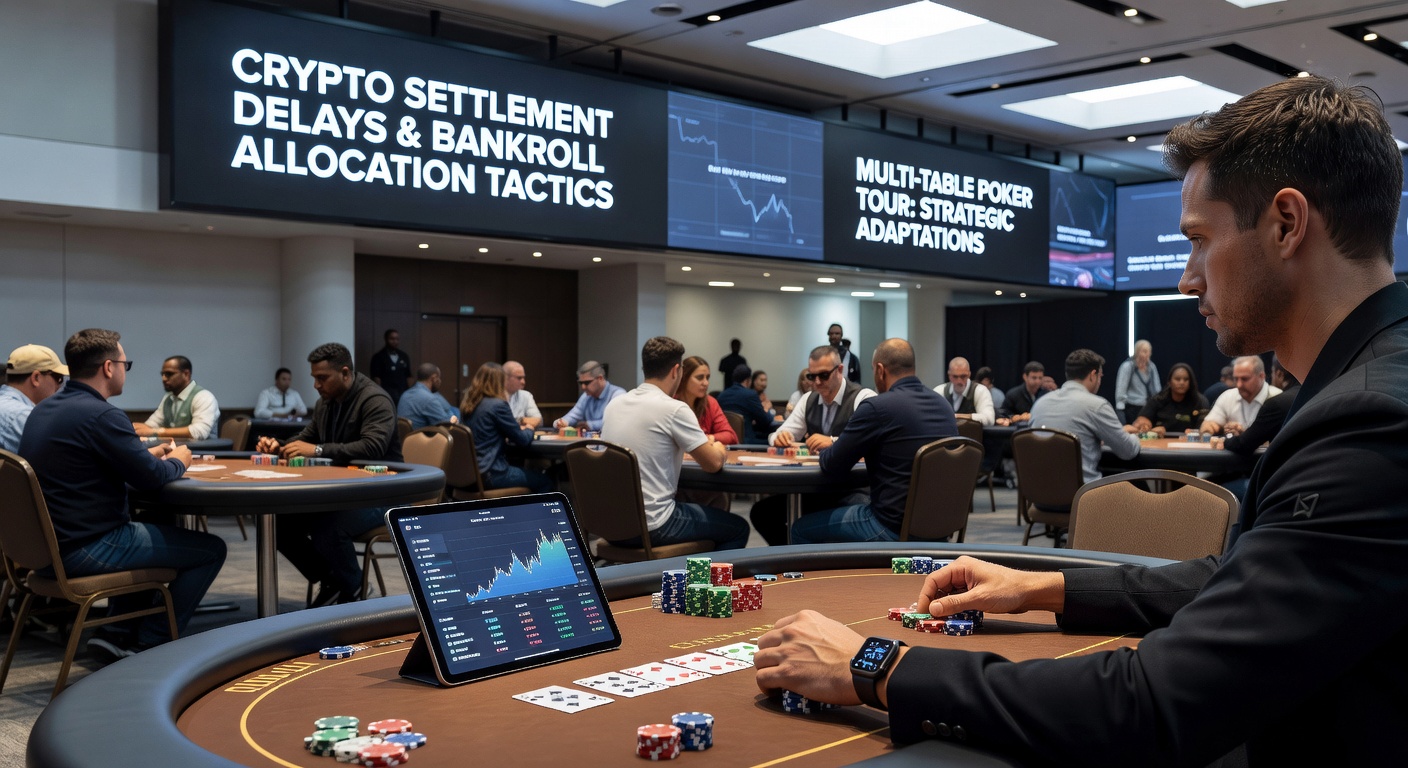
Observers note that some platforms introduced hybrid funding options during this period, allowing partial credit for pending transactions once they reach a minimum confirmation threshold, which reduces the capital that must sit idle while full settlement occurs. This mechanism proved especially relevant for events featuring progressive bonus ladders that grant additional chips or fee rebates after a set number of paid entries.
Observed Allocation Shifts Across Different Regions
European operators documented a measurable uptick in stablecoin preference among regulars, since these assets bypass much of the volatility and congestion tied to native cryptocurrencies while still qualifying for the same bonus accrual rates. Canadian regulatory summaries from spring 2026 highlighted similar patterns, noting that players who incorporated automated alerts for low-fee transaction windows were able to sustain higher volumes across layered reward programs without increasing overall bankroll exposure.
Allocation tactics also evolved around fee budgeting, because elevated gas prices during congestion periods erode the net value of bonuses earned through repeated play, leading some participants to cap their weekly tournament spend until network conditions stabilize.
Conclusion
Cryptocurrency settlement patterns continue to intersect with poker tournament logistics through the need for precise timing around layered bonus thresholds and multi-table commitments, prompting systematic adjustments in how funds are segmented and deployed. Tracking tools, diversified holdings, and scheduled batch transfers represent common responses documented across multiple markets as of May 2026, reflecting the ongoing adaptation required when blockchain processing speeds vary against fixed tournament schedules.