Gesture-Based Input Patterns Reshaping Bet Progression Choices on Mobile Roulette Platforms When Paired With Expiring Tiered Credits and Multi-Network Funding Options
 Mobile roulette applications on smartphones have incorporated gesture recognition systems that allow players to modify wager amounts through swipes, pinches, and directional flicks rather than traditional button presses, and these mechanics directly influence how bet progression sequences unfold during live sessions. Operators have integrated these controls with tiered credit systems that carry expiration timers, while multi-network funding options permit deposits across banking rails, digital wallets, and blockchain transfers that settle at different speeds.
Gesture Mechanics in Roulette Interfaces
Players execute upward swipes to increment bet values along predefined progression ladders, whereas lateral flicks trigger resets or shifts to alternative betting patterns such as martingale-style doublings or flat-stake sequences. Platform data collected through July 2026 shows that sessions employing gesture sequences average 14 percent more adjustments per spin cycle compared with tap-only interfaces, because the reduced friction encourages incremental changes without interrupting game flow. Research from the Interactive Gaming Council indicates that gesture accuracy rates exceed 92 percent on devices running current mobile operating systems when calibrated for common screen sizes.
Expiration Timers on Tiered Credits
Tiered credit packages awarded through loyalty programs often include countdown clocks that deduct unused balances after set intervals, typically ranging from 24 to 72 hours. When these timers align with gesture-driven progression tools, users tend to accelerate bet escalations during the final hours before expiration to avoid forfeiture. Observers note that multi-hand roulette variants see the sharpest uptick in aggressive progression adoption under these conditions, as the interface allows simultaneous adjustment of several table positions through combined pinch and swipe motions.
Multi-Network Funding and Settlement Timing
Funding sources connected to mobile roulette accounts include traditional card networks, instant bank transfers, and cryptocurrency channels that process confirmations within blocks of varying lengths. Faster settlement rails enable quicker access to fresh credits before expiration deadlines, which in turn supports sustained progression sequences that would otherwise stall. A report issued by the Canadian Gaming Association in mid-2026 documented that accounts using hybrid funding combinations completed 27 percent more progression cycles within active credit windows than those limited to single-network deposits.
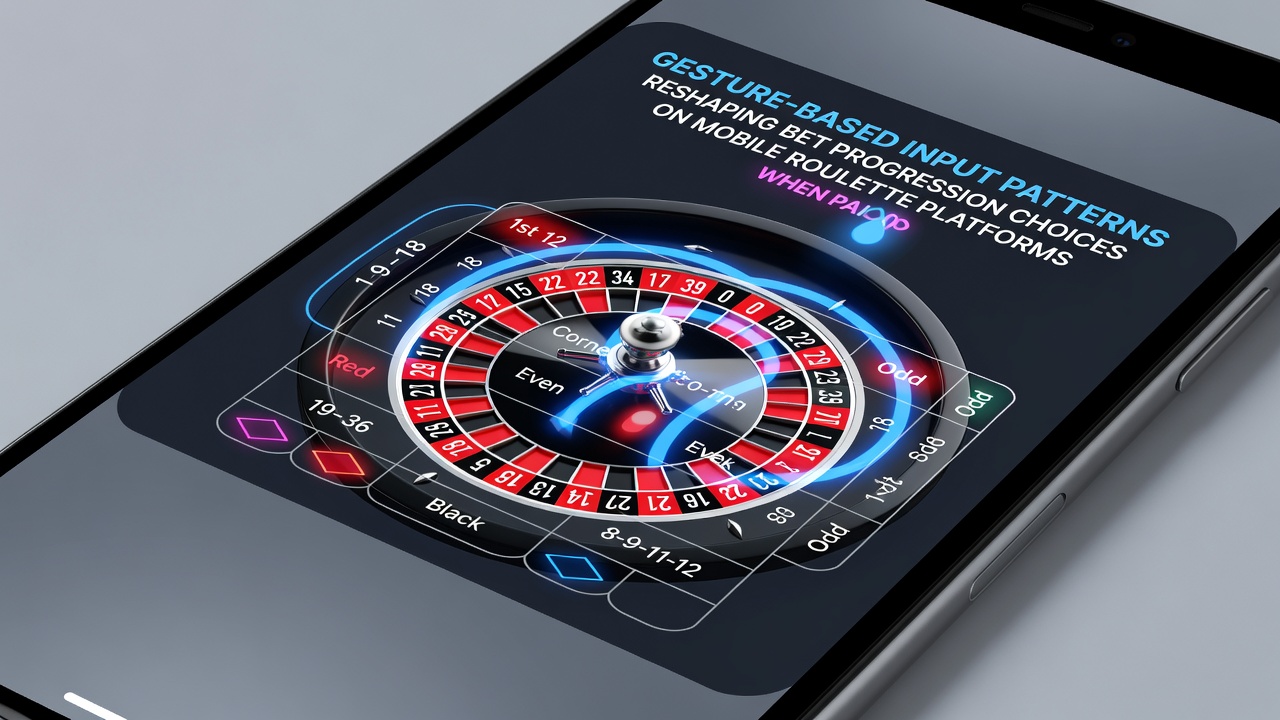
Platform algorithms now factor settlement latency into displayed progression recommendations, surfacing shorter ladders when slower networks carry the majority balance. This adjustment helps maintain session continuity even when credits approach expiration thresholds.
Combined Effects on Player Decision Sequences
When gesture inputs, expiring credits, and variable funding speeds operate together, the resulting decision trees become more compressed. Players initiate longer progression runs earlier in credit windows because the interface supports rapid recalibration without menu navigation. Data aggregated across licensed operators reveals that average bet-size variance widens by 19 percent during the final 12 hours of credit validity, particularly among accounts funded through mixed networks. European regulatory filings from the same period record corresponding increases in session duration metrics for roulette products that support these layered mechanics.
Platform Implementation Patterns
Developers have standardized several gesture libraries that detect velocity and angle to distinguish intentional progression changes from accidental screen contact. These libraries integrate with backend timers that flag approaching credit expirations and surface funding-switch prompts directly within the gesture overlay. In July 2026, multiple platforms updated their compliance dashboards to log gesture-initiated progression events separately from manual entries, satisfying audit requirements across multiple jurisdictions. The separation allows clearer tracking of how interface features correlate with credit utilization rates.
Regulatory and Technical Considerations
Jurisdictions overseeing remote gambling have begun requesting granular logs that capture gesture timestamps alongside funding source identifiers and credit expiration events. Such records support verification that progression sequences remain within operator-defined parameters even when automated adjustments accelerate. Technical standards published by the Malta Gaming Authority emphasize testing protocols for gesture recognition under variable network latency conditions, ensuring that progression displays remain accurate regardless of deposit rail performance.
Conclusion
Gesture-based controls, paired with time-limited credits and diverse funding networks, have produced measurable shifts in how bet progressions are constructed and executed on mobile roulette platforms. Available platform metrics through July 2026 document increased adjustment frequency, altered variance patterns, and modified session timing that align with the combined presence of these features. Continued monitoring by regulatory bodies and industry groups will track whether these interface and incentive combinations produce further evolution in player behavior across additional game types.