6 Aug 2026
Economic Indicator Shifts and Their Relation to Decision Making in Virtual Reel Spinning Activities with Multi Tiered Incentive Layers and Cross Currency Capabilities
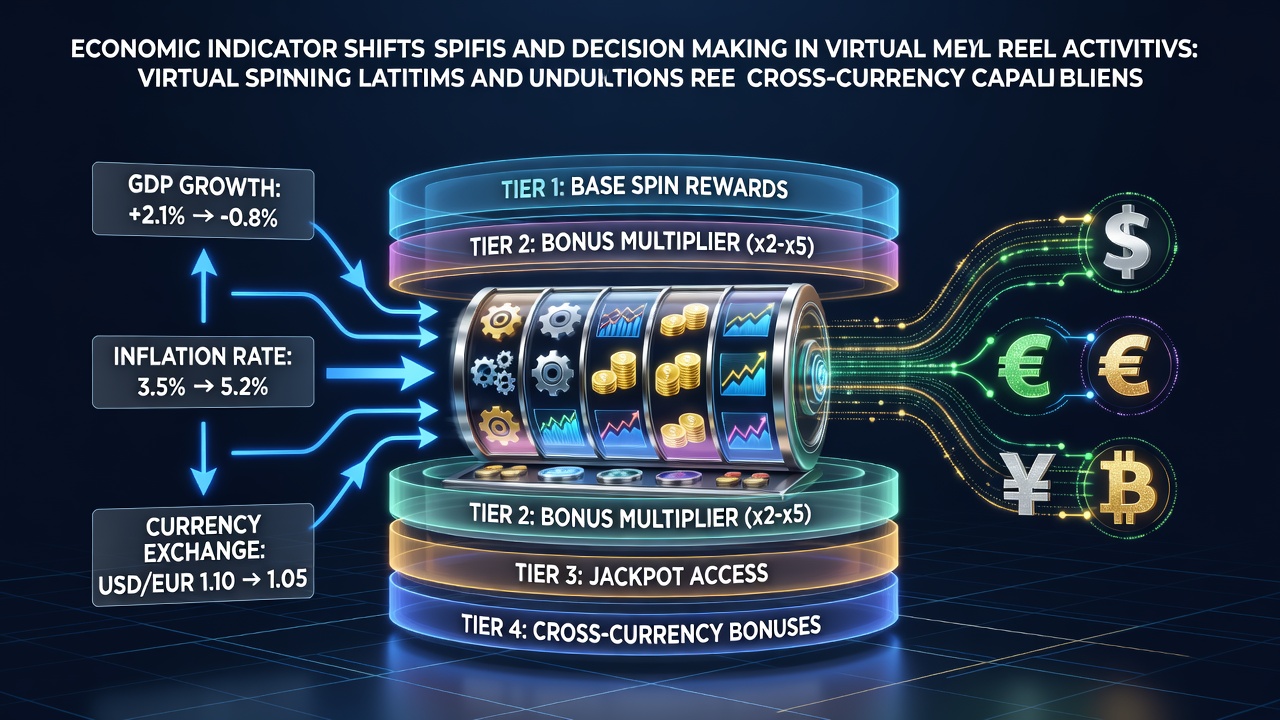
Economic indicator shifts such as movements in inflation rates, employment levels, and currency exchange values shape participant choices within virtual reel spinning environments that incorporate multi-tiered incentive structures along with support for multiple currencies, and observers note these patterns through aggregated platform data collected across licensed operators.
Tracking Core Economic Signals
Inflation metrics released by national statistical agencies often correlate with adjustments in average wager sizes and session durations on virtual reel platforms, while employment reports from the Bureau of Labor Statistics provide context for shifts in disposable income allocation toward activities featuring layered reward systems. Data compiled in mid-2026 showed that periods of rising consumer price indices coincided with increased selection of lower-volatility reel variants paired with loyalty tier redemptions that offered fixed-value bonuses across currency pairs.
Currency fluctuation records from central banks further influence how users manage cross-border account balances, particularly when platforms enable instant conversion between major denominations during incentive redemptions. Analysts tracking these flows in August 2026 documented heightened activity in multi-currency wallets during weeks when exchange rate volatility exceeded historical averages, prompting participants to lock in promotional credits denominated in stable units before further swings occurred.
Adjustments in Reel Spinning Strategies
Participants frequently recalibrate their approach to virtual reel sessions in response to broader macroeconomic releases, opting for shorter engagement windows when unemployment claims rise or extending play during announcements of steady GDP growth. Platform telemetry reveals that multi-tiered incentive layers, including progressive bonus multipliers and tiered cashback percentages, become more actively utilized when economic confidence indices dip, as users seek to maximize the effective return from each deposited unit across supported currencies.
Studies of transaction logs indicate that cross-currency settlement options reduce friction during these periods, allowing seamless movement between accounts denominated in different units without triggering additional conversion fees that might otherwise erode incentive value. One dataset covering operators licensed in multiple jurisdictions demonstrated that sessions incorporating at least two currency types increased by measurable margins following quarterly economic outlooks that highlighted regional disparities in growth forecasts.
Interaction Between Incentives and Currency Features
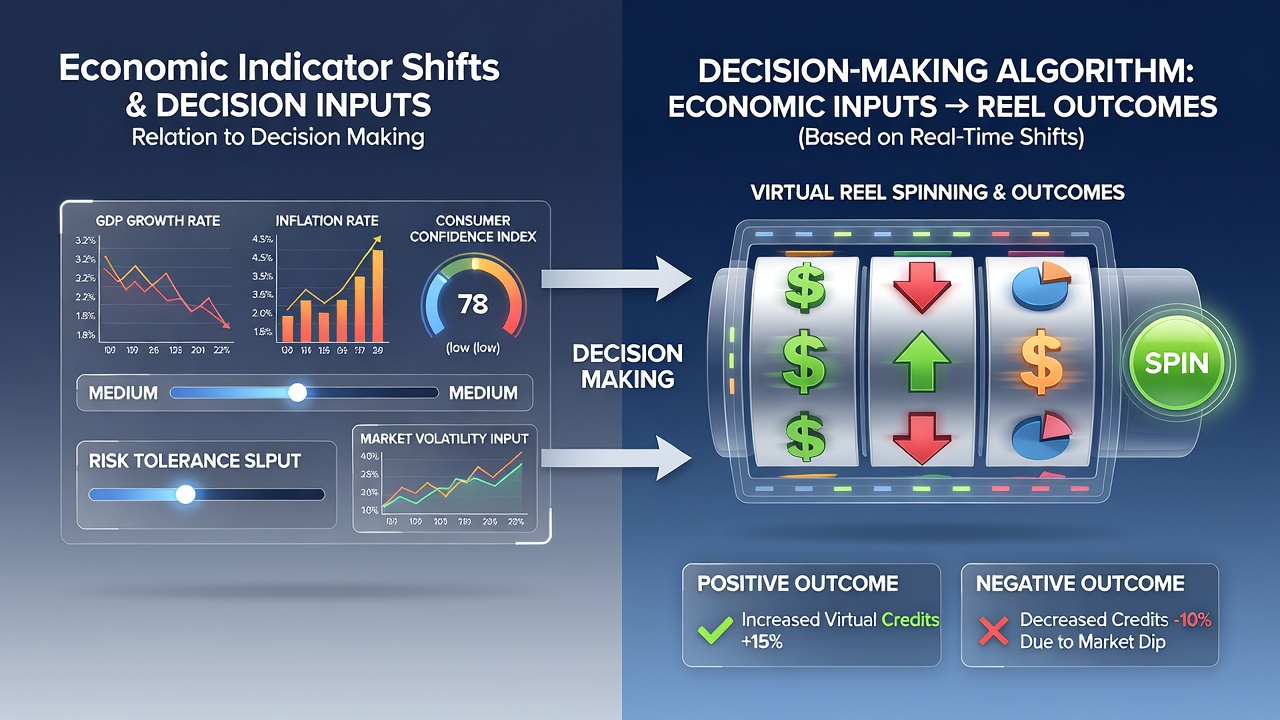
Multi-tiered incentive frameworks typically escalate benefits at higher participation thresholds, and these structures intersect directly with economic signals when users decide whether to advance through tiers or maintain current levels based on prevailing financial conditions. Evidence from operator reports shows that cross-currency capabilities allow participants to hedge against localized economic pressures by shifting balances into currencies tied to stronger indicators, thereby preserving the nominal value of accumulated rewards during redemption windows.
Research tracking user cohorts across 2025 and 2026 found that platforms offering real-time exchange rate displays within the incentive dashboard recorded steadier progression through loyalty tiers even amid broader market uncertainty. Those same datasets highlighted that decision points around tier advancement aligned closely with releases of composite leading economic indicators, suggesting users monitor these metrics to time their activity and optimize the layering of bonuses across different currency denominations.
Regional Data Patterns Emerging in 2026
August 2026 figures from international gaming associations reflected continued integration of economic monitoring tools into player analytics dashboards, enabling operators to observe how shifts in retail sales data or manufacturing output influenced engagement metrics within reel spinning products. Cross-currency transaction volumes rose notably in regions experiencing divergent inflation trajectories, while multi-tiered promotions that incorporated currency-neutral bonus credits maintained consistent uptake regardless of local economic readings.
Academic examinations of these dynamics, including work published through research institutions focused on digital leisure economies, confirm that decision-making frameworks employed by participants incorporate both macroeconomic releases and platform-specific incentive mechanics. Observers further note that the combination of tiered rewards and flexible currency handling creates adaptive pathways that respond to indicator changes without requiring manual intervention from users beyond initial account settings.
Conclusion
Patterns documented through platform data and economic releases demonstrate consistent linkages between indicator movements and choices made within virtual reel spinning environments equipped with layered incentives and cross-currency tools. Continued collection of these metrics through 2026 and beyond supplies operators and regulators with observable trends that reflect broader financial conditions rather than isolated behavioral factors.