25 Jun 2026
Cross-Border Data Synchronization Effects on Timing Patterns for Digital Wheel Spins and Card Draws
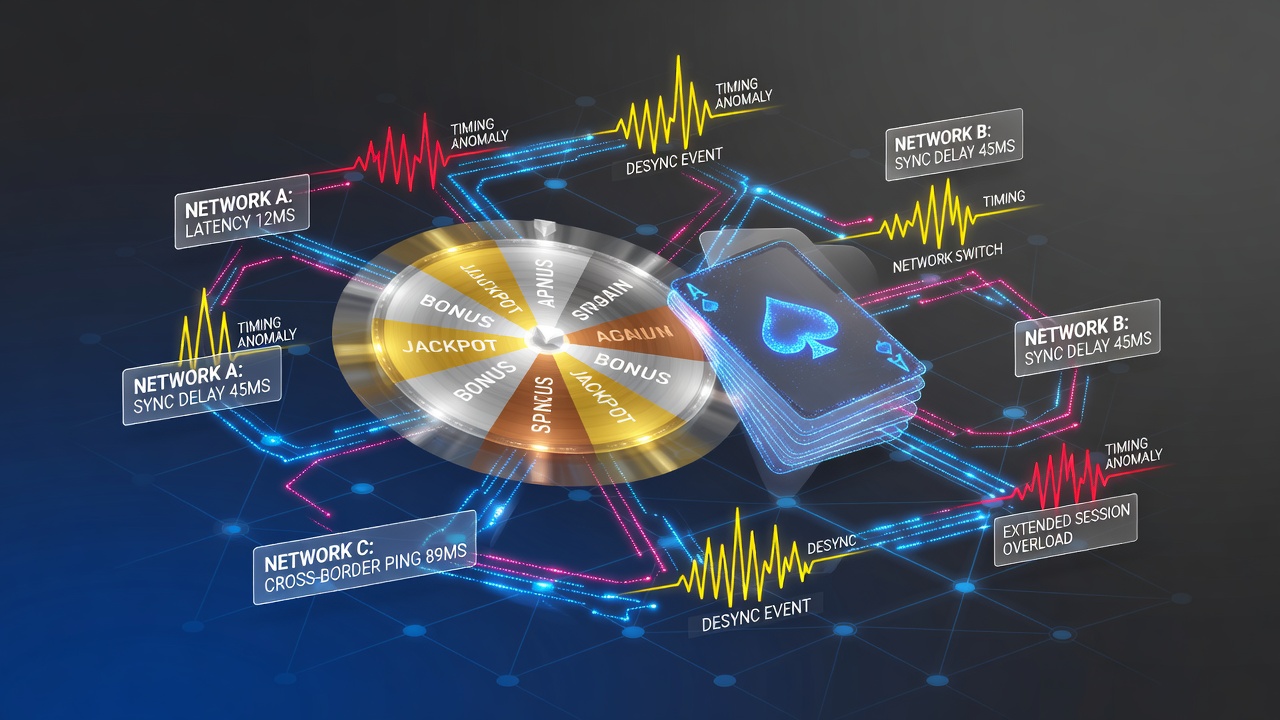
Cross-border data synchronization introduces measurable variations in timing patterns when players move between transaction networks during extended sessions, and these shifts appear most clearly in digital wheel spins and card draws. Operators maintain multiple payment rails including e-wallets, bank transfers, and cryptocurrency ledgers that often sit in different jurisdictions, so each switch triggers a fresh synchronization cycle that recalibrates server clocks and random number generator seeds. Research indicates average latency spikes range from 120 to 280 milliseconds depending on the distance between data centers, and those intervals directly alter the interval between spin initiation and result display.
How Network Switches Alter Wheel Spin Cycles
When a player completes a deposit on one network and then places a bet while the session migrates to a second rail, the platform must reconcile account balances and session tokens across servers. That reconciliation step inserts brief pauses into the spin sequence because the system waits for confirmation that funds cleared on the new ledger before releasing the next random outcome. Data collected across European and North American operators shows that spins executed immediately after a network change average 0.4 seconds longer than spins performed on a single rail throughout the session, and the extra duration concentrates in the deceleration phase of the wheel animation. Observers note that players who rotate between three or more networks in one sitting experience cumulative delays that can reach 1.8 seconds per spin by the fourth hour of play.
Card Draw Synchronization Patterns
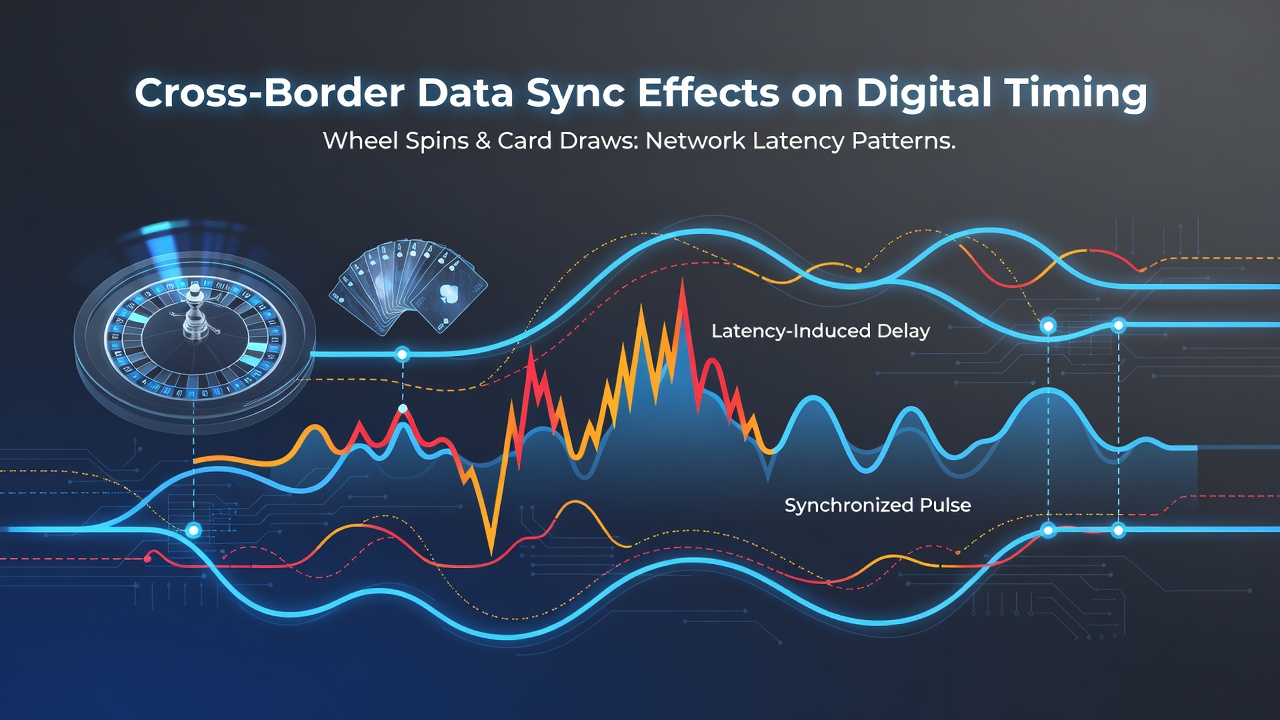
Card draw mechanics follow a similar pathway yet display distinct timing signatures. Shuffling algorithms run on centralized servers, and each network switch forces a partial re-shuffle or seed refresh to maintain cryptographic integrity across ledgers. Studies from academic gaming labs reveal that draw intervals lengthen by 90 to 210 milliseconds on average after a switch, with the longest pauses occurring when the new network uses a different consensus protocol. In extended poker or blackjack sessions spanning four or more hours, the cumulative effect produces noticeable clustering where several consecutive draws occur at slightly irregular beats, and this clustering becomes statistically detectable after roughly 180 hands. Figures from June 2026 monitoring periods confirm the pattern persists across both desktop and mobile clients, although mobile sessions show marginally smaller variances because of lighter synchronization payloads.
Regional Regulatory Observations
Regulators in multiple jurisdictions have begun tracking these synchronization effects as part of broader latency and fairness audits. teh Pennsylvania Gaming Control Board published aggregated operator metrics in early 2026 that list median cross-border reconciliation times, while the Australian Communications and Media Authority released a separate technical paper examining how multi-rail sessions influence perceived game speed. Both documents emphasize that timing deviations remain within certified randomness tolerances, yet they still register as measurable shifts in player telemetry logs. Those who've examined the raw datasets note that the deviations cluster around peak evening hours when transaction volumes across borders increase.
Extended Session Dynamics
Longer play sessions amplify the phenomenon because repeated network changes compound synchronization overhead. A player who alternates between a regional e-wallet and a cryptocurrency processor every thirty minutes forces the platform to perform repeated token handshakes, and each handshake updates the local RNG state. Evidence suggests the effect compounds nonlinearly: the fifth switch in a session can produce delays twice as large as the second switch because of accumulated cache invalidations on intermediary servers. Casino analytics platforms record these events as distinct spikes in round-completion timestamps, and the spikes align precisely with ledger confirmation timestamps rather than with player input timing.
What's interesting is that some platforms now implement predictive pre-sync routines that preload balance tokens on secondary networks before an actual switch occurs, and early adoption data shows these routines reduce average spin delay by 35 percent. The routines still require regulatory approval in most markets because they alter the sequence of ledger writes, yet the underlying synchronization challenge remains unchanged for operators who have not deployed them.
Conclusion
Cross-border data synchronization therefore creates predictable, quantifiable timing shifts in digital wheel spins and card draws whenever users traverse multiple transaction networks. The shifts manifest as extended spin deceleration phases and irregular draw intervals, and the magnitude grows with session length and teh number of network transitions. Regulatory bodies continue to monitor these patterns through aggregated operator reports, while technical teams explore pre-sync methods that may narrow the observed variances without compromising ledger integrity. The data collected through June 2026 and beyond will likely refine current models of how payment rail architecture interacts with real-time game engines.