2 Jul 2026
Correlations Between Processing Timelines and Risk Calibration Choices Across Multi-Variant Casino Environments with Layered Incentives

Data from multiple regulatory bodies and industry reports reveals measurable connections between transaction processing speeds and the ways operators plus players adjust risk parameters in environments that combine slots, table games, and poker rooms under overlapping reward structures. Observers note these patterns emerge most clearly when settlement times vary by payment method while promotional credits stack across different game categories and loyalty levels.
Processing Timelines in Layered Casino Settings
Transaction confirmation periods range from near-instant crypto settlements to multi-hour bank transfers, and these durations influence how risk models recalibrate during active sessions. Research indicates that environments offering e-wallet options alongside digital assets show distinct shifts in bet sizing and game selection once processing windows extend beyond standard thresholds. Figures from North American markets demonstrate that shorter confirmation windows frequently align with higher volume play across variants, whereas extended timelines prompt recalibration toward lower-variance options when incentives remain time-bound.
Risk Calibration Across Game Variants
Multi-variant setups create opportunities to observe how participants redistribute exposure when processing delays interact with incentive layers. Slots with progressive features often see adjusted stake patterns during slower settlement periods, while table game progressions and poker tournament entries respond differently based on the same timeline variables. Data shows players frequently shift from high-volatility reel options to structured table progressions once confirmation intervals lengthen, especially when bonus redemptions carry expiration dates tied to deposit processing.
Studies conducted across several jurisdictions highlight that layered incentives amplify these effects because promotional credits and loyalty redemptions become contingent on timely fund movements. When settlement occurs within minutes, participants tend to maintain calibrated risk levels across multiple variants simultaneously, yet delays exceeding thirty minutes correlate with more segmented approaches where exposure concentrates in fewer categories.
Observed Correlations in Recent Data
Analyses released in July 2026 from regional gaming authorities document specific correlation coefficients between average processing durations and risk metric adjustments. One dataset covering integrated casino floors found that every additional fifteen minutes in settlement time corresponded with measurable reductions in cross-variant play frequency, particularly when loyalty tiers offered stacked multipliers. Another examination of online platforms indicated that crypto-based instant settlements supported steadier risk calibration even during peak incentive periods, whereas traditional banking routes produced more pronounced conservative shifts.
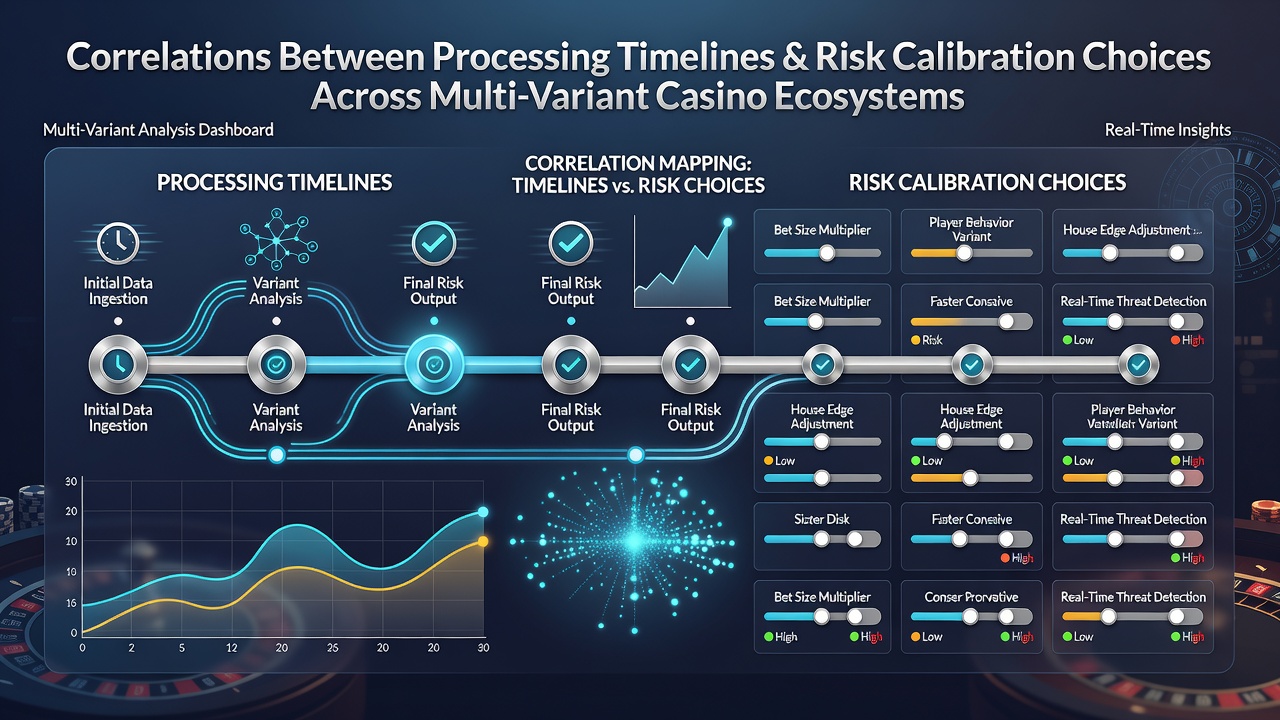
Those who've examined operator reports note that environments with synchronized processing across payment rails exhibit tighter clustering around optimal risk points. In contrast, fragmented timelines produce wider variance in how incentives are deployed, with participants often reserving aggressive calibration for faster-settling variants while treating slower ones as supplementary. Academic work from institutions tracking behavioral metrics supports these observations through longitudinal tracking of account-level decisions.
Influence of Layered Incentives on Timeline Effects
Layered structures such as deposit matches combined with loyalty points and time-limited free plays create additional variables that interact directly with processing speeds. Evidence suggests players calibrate risk thresholds differently when an incentive expires within the same window as a pending settlement, leading to concentrated activity in variants that resolve outcomes quickly. Reports from Canadian and Australian markets reveal similar patterns, where extended processing windows reduce the effective value of stacked promotions and prompt recalibration toward more predictable game types.
Industry organizations including the American Gaming Association have compiled aggregate statistics showing that platforms offering uniform processing standards across variants maintain more consistent risk distribution among participants utilizing multiple incentive layers. When timelines diverge, however, the data indicates measurable migration between game categories that correlates with the length of each delay.
Regional Examples and Patterns
European operators employing multi-currency settlement systems provide further instances where processing timelines shape calibration choices. One analysis found that cross-border transfers exceeding standard windows led participants to favor variants with built-in progression controls over those relying on rapid cycling. Similar observations appear in reports from South African regulatory sources, where digital wallet integrations reduced timeline variance and supported steadier risk application across incentive structures.
Observers tracking these environments note that the interplay becomes especially visible during periods of high promotional activity, when layered rewards coincide with variable settlement speeds. Participants demonstrate adaptive strategies that adjust exposure based on both the remaining incentive duration and the expected confirmation time, producing observable correlations across large datasets.
Conclusion
Available evidence establishes clear statistical relationships between processing timelines and risk calibration decisions within multi-variant casino operations that employ layered incentives. These connections appear consistently across different jurisdictions and payment ecosystems, with shorter confirmation periods supporting broader variant engagement and steadier risk parameters while extended timelines prompt segmented and often more conservative approaches. Continued monitoring by regulatory bodies and research institutions will likely refine understanding of these dynamics as settlement technologies evolve.