16 Jul 2026
Correlating International Holiday Observances with Wager Progression Adjustments in Electronic Wheel Games Incorporating Multi-Tiered Incentive Programs
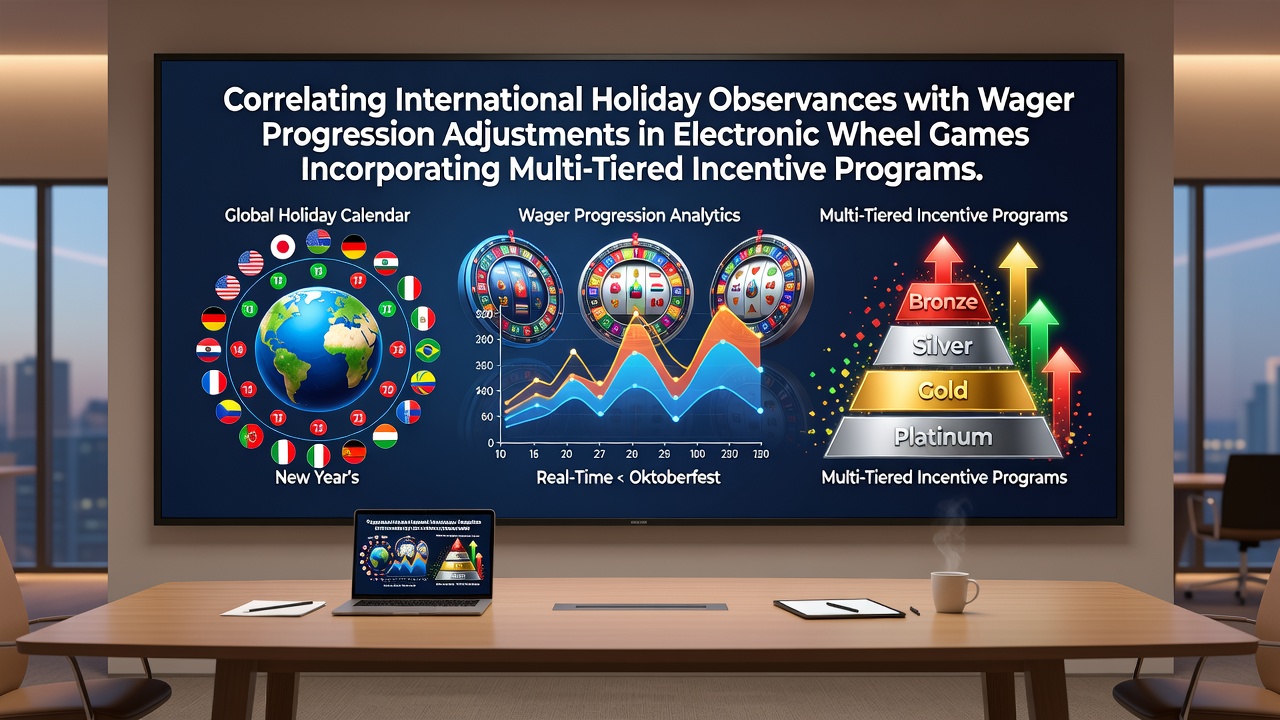 Operators of electronic wheel games, such as digital roulette variants, track seasonal shifts in player activity that coincide with global observances including Diwali, Christmas, Lunar New Year, and Independence Day celebrations. These patterns prompt recalibrations in betting progression models, where systems like adjusted Martingale sequences or Paroli progressions scale differently based on anticipated volume spikes. Multi-tiered incentive programs layer additional variables, as loyalty tiers grant varying bonus multipliers and redemption caps that interact directly with those progression mechanics. Data from multiple jurisdictions shows elevated session lengths around major holidays, with operators noting that players in higher incentive tiers extend progression runs when promotional credits offset variance exposure. Electronic platforms integrate real-time analytics to modify minimum bet thresholds and step multipliers in wheel games, ensuring that incentive redemptions align with holiday-driven traffic without disrupting house edge parameters.
Seasonal Data Patterns in Wheel Game Activity
Figures compiled across licensed platforms reveal consistent upticks in electronic wheel game participation during overlapping international holidays. For instance, operators report that July periods encompassing both Canadian Dominion Day and early US Independence Day observances generate measurable increases in wager volumes, particularly among players holding mid-tier loyalty status. Progression algorithms adjust by tightening step intervals on lower tiers while expanding redemption windows on premium levels, allowing sustained sequences without immediate credit exhaustion.
Research conducted through industry monitoring groups indicates that these adjustments correlate with cross-border player migrations, where participants leverage time-zone differences to chase incentive resets. Electronic wheel interfaces display dynamic payout tables that reflect these changes, incorporating holiday-specific parameters that reset after the observance window closes.
Mechanics of Wager Progression in Tiered Systems
Progression models in electronic wheel games operate by scaling bet amounts according to prior outcomes, yet multi-tiered incentives introduce conditional modifiers. Players at entry-level tiers encounter stricter loss-limit triggers that pause sequences during high-volume holiday periods, whereas elite tiers receive extended progression allowances tied to accumulated loyalty points. This structure maintains regulatory compliance across regions while responding to observed behavioral spikes.
Operators implement these changes through backend protocols that monitor holiday calendars from multiple countries simultaneously. When a festival such as Bastille Day in France aligns with regional events elsewhere, systems automatically recalibrate progression multipliers to account for simultaneous login surges, preventing queue delays in live dealer wheel environments.
Integration of Incentive Redemptions with Holiday Calendars
Multi-tiered programs segment bonuses into categories such as deposit matches, free spin equivalents, and cashback percentages, each interacting differently with wheel game progressions. During international holiday clusters, redemption rates for mid-tier benefits rise noticeably, prompting operators to embed temporary caps that preserve progression integrity. Lower-tier participants often encounter accelerated credit depletion, leading platforms to introduce abbreviated progression paths exclusive to those windows.
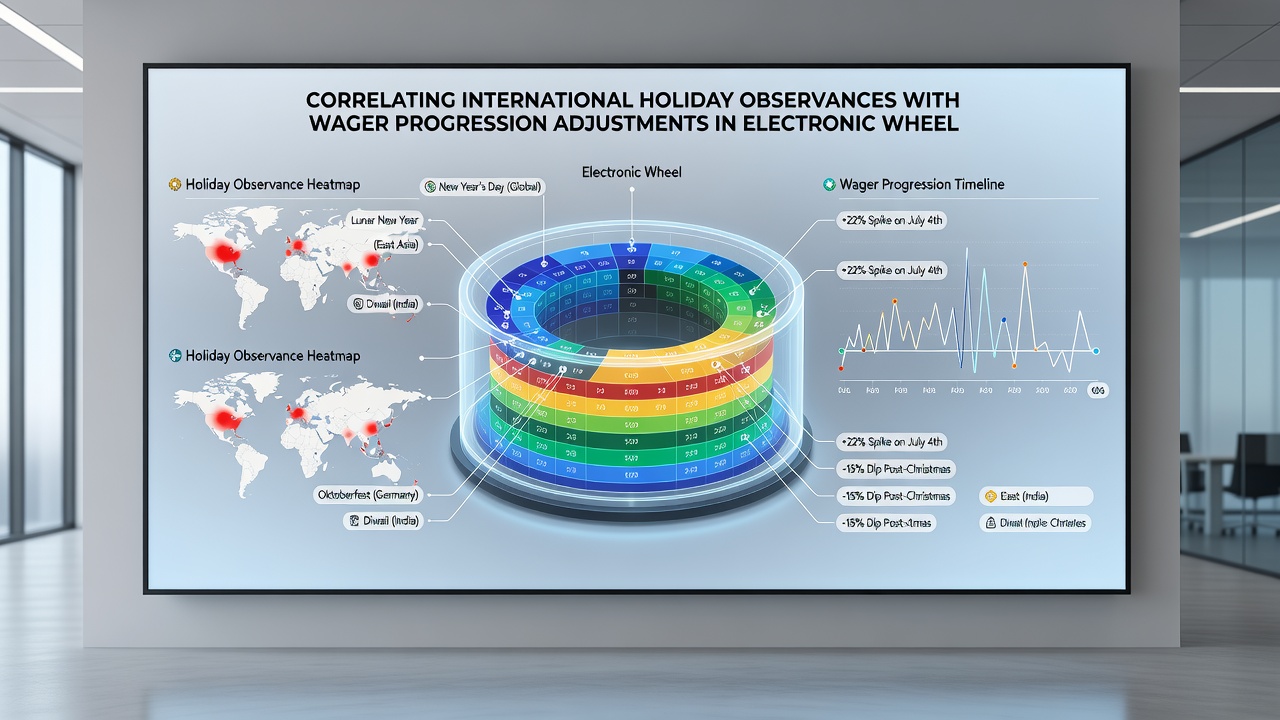
According to reports from the American Gaming Association, seasonal revenue data collected through 2025 and into mid-2026 demonstrates that holiday-timed incentive activations produce measurable shifts in average bet sizing within wheel categories. These shifts require precise synchronization so that progression steps do not exceed the available bonus pools allocated per tier.
Regulatory and Operational Considerations
Jurisdictions maintain oversight through periodic audits that examine how progression adjustments align with incentive disclosures. In regions governed by bodies such as the Alcohol and Gaming Commission of Ontario, operators must document holiday-specific parameter changes to confirm they do not alter game fairness metrics. Electronic systems log each modification, creating audit trails that link calendar events directly to wager scaling decisions.
Platforms serving international audiences maintain synchronized holiday databases that flag overlapping observances, enabling preemptive progression tuning. July 2026 data sets, for example, highlight adjustments around multiple national celebrations that coincided with loyalty tier renewal cycles, resulting in extended progression viability for qualifying players.
Conclusion
Electronic wheel game operators continue refining correlations between international holiday schedules and wager progression parameters within multi-tiered incentive frameworks. These refinements rely on aggregated session data, tier-specific redemption statistics, and regulatory reporting requirements that ensure transparency across markets. As calendar events recur annually, the underlying adjustment protocols evolve to accommodate shifting player demographics and cross-jurisdictional participation trends.