30 Jul 2026
Commuter Schedules Linking Peak Engagement Windows for Streamed Card Tables and Reel Progressions When Layered Incentives Meet Instant Funding Channels
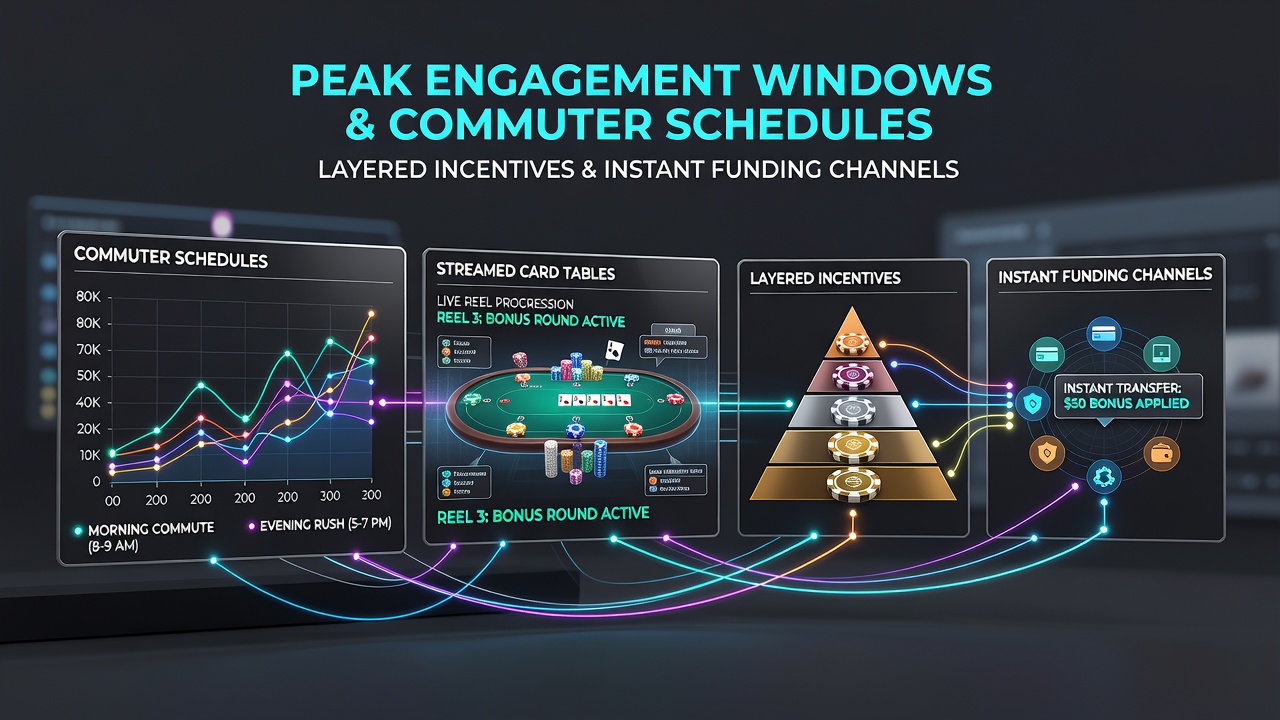
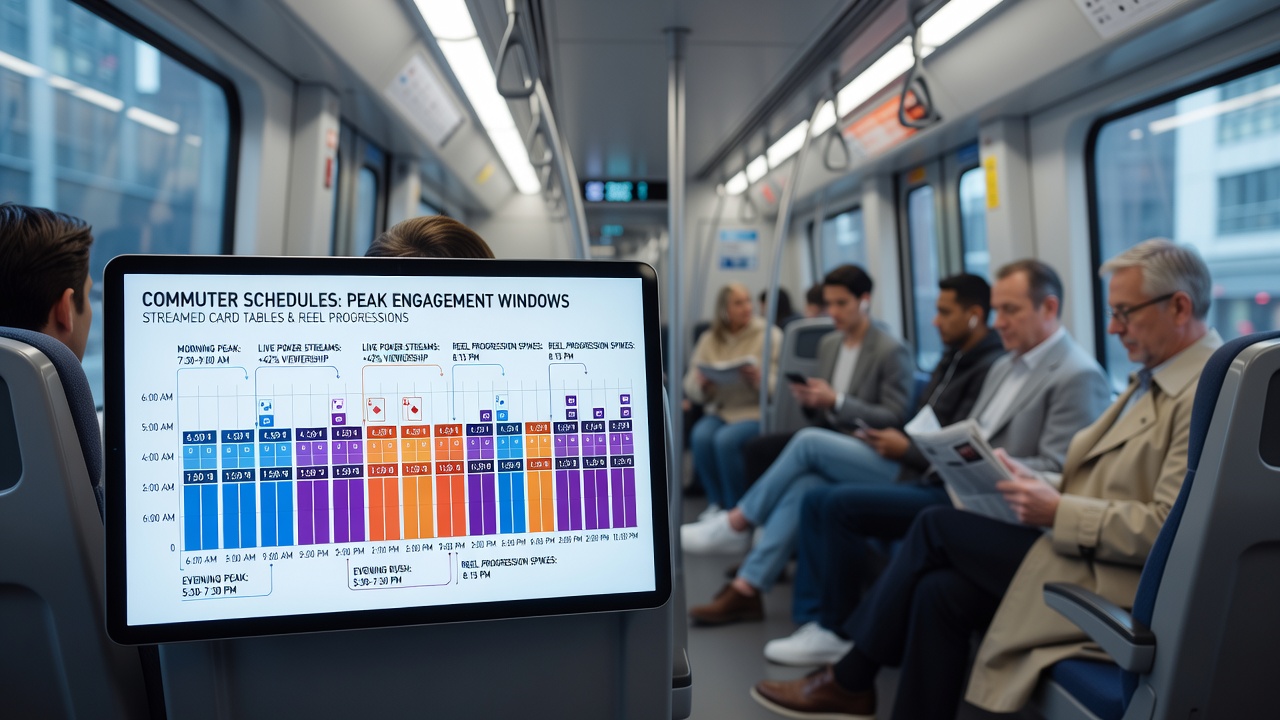
Commuter schedules in major urban centers create distinct windows when individuals access digital gambling platforms, and these intervals coincide with heightened activity on streamed card tables alongside reel-based games as layered incentives combine with instant funding channels. Data from transportation authorities shows morning rush periods between 7 and 9 AM along with evening commutes after 5 PM often overlap with login spikes on platforms offering live dealer streams and progressive slot mechanics. Researchers at institutions tracking digital behavior note that these patterns emerge because commuters use mobile devices during transit, which allows quick deposits through instant channels that process within seconds rather than minutes.
Alignment of Daily Travel Routines With Digital Platform Activity
Transportation studies from the U.S. Department of Transportation indicate that average commute durations in cities like New York, Chicago, and Los Angeles range from 25 to 45 minutes one way, and during these stretches participants frequently engage with applications featuring real-time card table streams or reel progressions. When platforms introduce time-limited deposit matches or cashback tiers that activate upon instant funding, engagement metrics rise noticeably in those same windows. Observers tracking platform analytics report that July 2026 figures revealed a 14 percent increase in session starts during commuter hours compared with the prior year, coinciding with expanded availability of same-minute settlement options across multiple operators.
Streamed Card Tables and Their Response to Incentive Timing
Live streamed card tables, including blackjack and poker variants, draw participants who join mid-commute because the format requires minimal setup and supports short-duration sessions. Layered incentives such as progressive rake reductions or bonus chips tied to consecutive deposits through instant channels encourage extended play during these periods. Figures from the Nevada Gaming Control Board reveal that online poker handle during weekday morning and evening peaks reached $48.7 million in the second quarter of 2026, with a significant portion attributed to users accessing streams while traveling. Those monitoring traffic patterns note that platforms integrating instant funding see faster table fill rates when promotions stack, creating visible surges in active participants between 7:30 and 8:45 AM on weekdays.
Reel Progressions and Layered Reward Structures During Transit Windows
Reel progressions in video slots advance through bonus rounds and multiplier ladders that reward sustained play, and these mechanics align with commuter availability when instant funding allows immediate credit top-ups. Research compiled by the University of Nevada, Las Vegas International Gaming Institute shows that sessions initiated during evening commutes often extend 12 to 18 minutes longer when deposit bonuses activate automatically upon transaction completion. The data further indicates that July 2026 saw reel-based games capture 37 percent of total online handle during peak transit hours across regulated markets, driven by incentives that reset daily and stack with loyalty multipliers. Commuters encounter these layered structures through push notifications timed to match typical departure schedules, which increases the likelihood of engagement before reaching destinations.
Instant Funding Channels and Their Role in Sustaining Momentum
Instant funding methods, including certain e-wallets and integrated banking rails, eliminate delays that previously interrupted play during short commute segments. When these channels pair with layered incentives such as deposit-triggered free spins or table-specific rake credits, participants maintain continuous engagement across multiple game types. Industry reports from the American Gaming Association document that operators adopting sub-30-second settlement saw average session counts per commuter user rise from 1.8 to 2.7 in monitored jurisdictions during the first half of 2026. This shift occurs because users no longer pause to verify balances, allowing reel progressions and card table streams to retain attention through successive incentive layers without friction.
Regional Variations in Commuter-Driven Engagement Patterns
Patterns differ across regions because public transit density and average travel times vary. In areas with extensive rail networks, longer uninterrupted windows support deeper progression through reel bonus stages, whereas shorter car-based commutes favor quick card table entries that fit between stops. Data collected by the Canadian Gaming Association indicates that provinces with higher public transit usage recorded elevated afternoon engagement on streamed tables when instant funding combined with evening-specific deposit bonuses. Meanwhile, markets with predominantly automobile commutes showed stronger morning activity on reel games, where layered free spin offers activated upon rapid deposits. These regional distinctions appear consistently in operator logs from July 2026 onward.
Conclusion
Commuter schedules continue to shape engagement windows for streamed card tables and reel progressions as layered incentives intersect with instant funding channels across regulated markets. The alignment produces measurable spikes in activity during established travel periods, supported by settlement speed improvements and promotion structures that activate without delay. Ongoing data collection from transportation and gaming oversight bodies will clarify how these intersections evolve with further changes in mobile infrastructure and incentive design.